Immunology
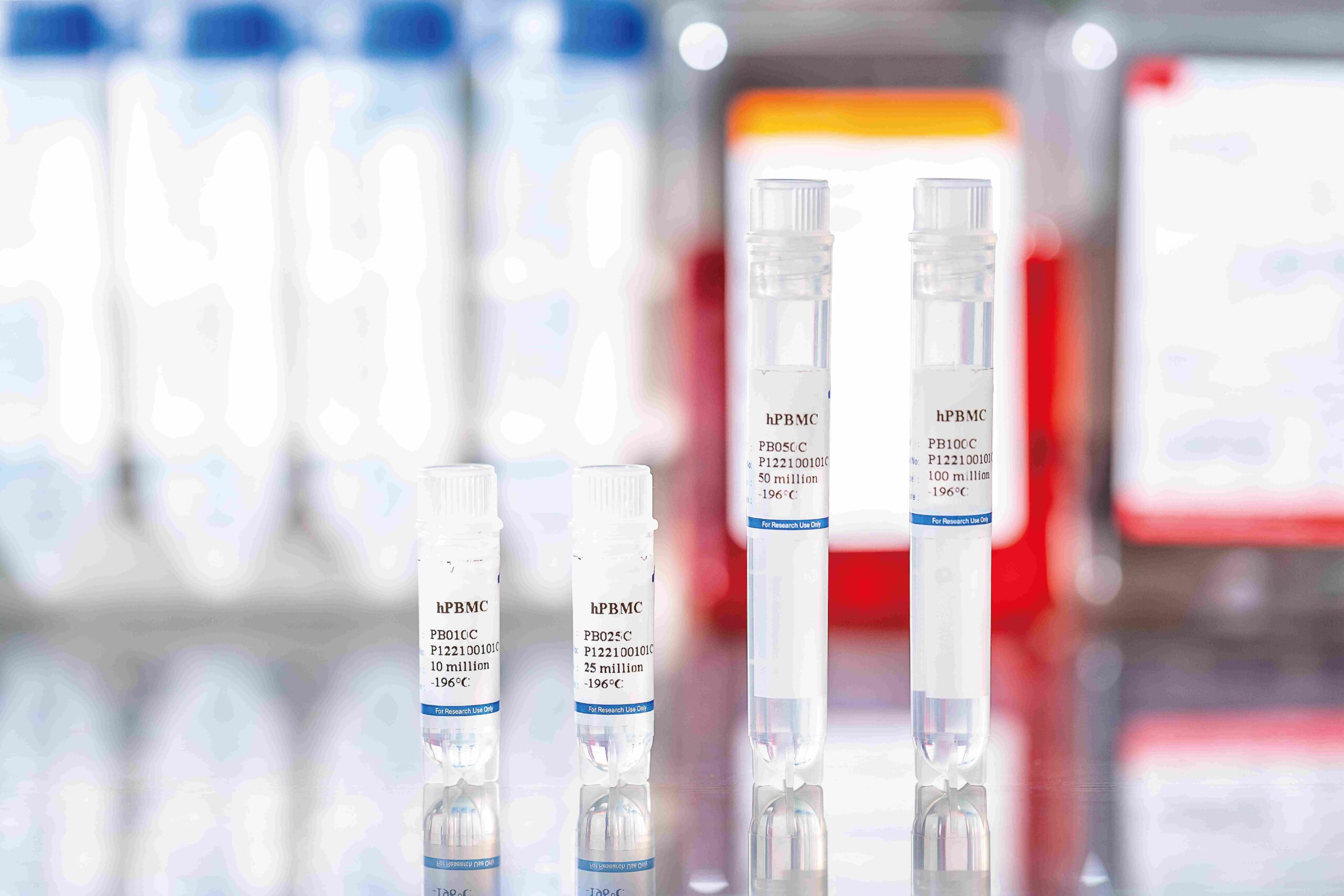
Immunology research examines how immune populations recognize signals, communicate and respond to changing environments. Mixed-cell systems and isolated subsets answer different questions, from donor-level responses to cell-specific mechanisms. MileCell human PBMCs, T cells, B cells, NK cells and monocytes help researchers build experiments that connect immune phenotype with measurable function.
Research Solutions for Immunology
Adaptive Immune Responses
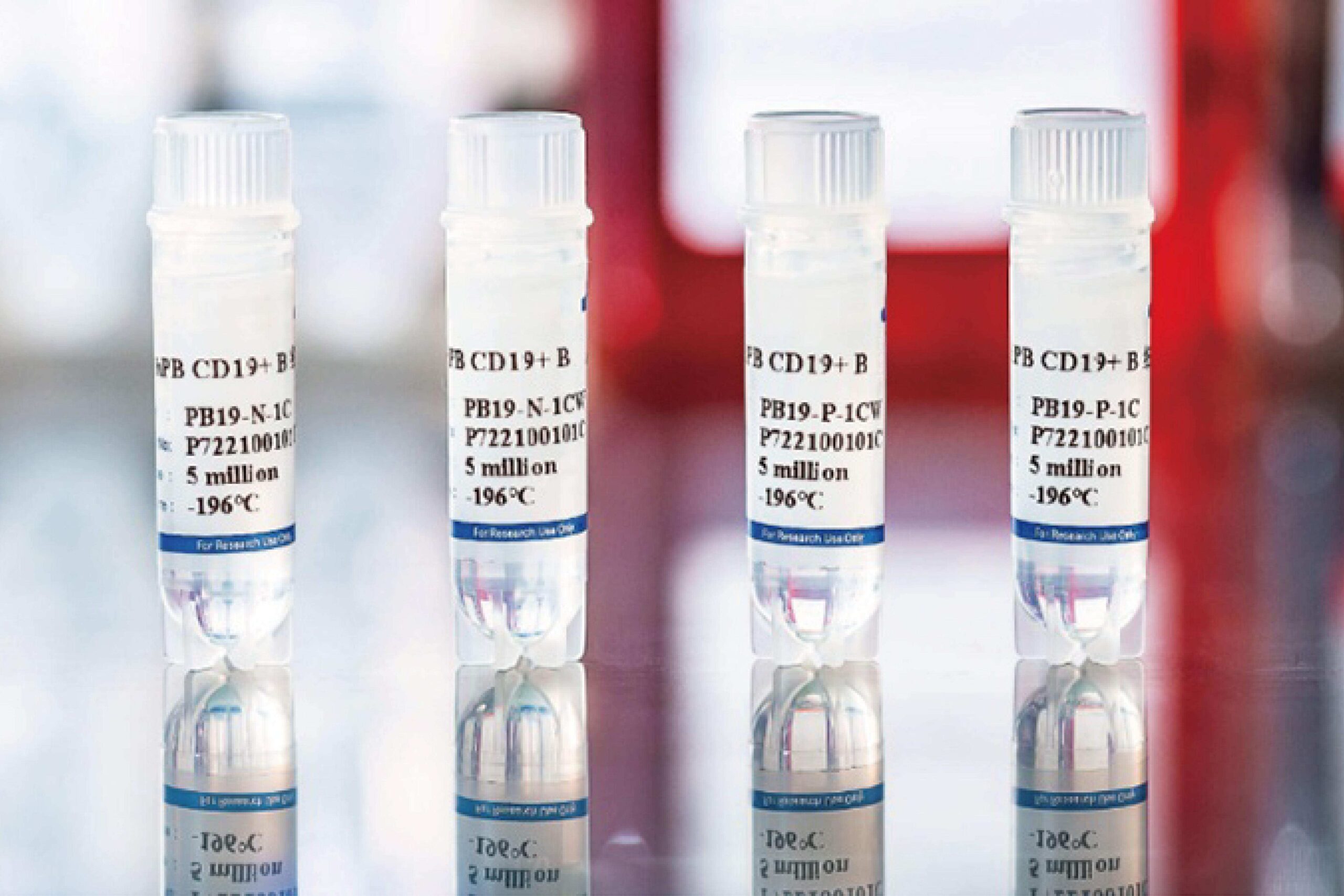
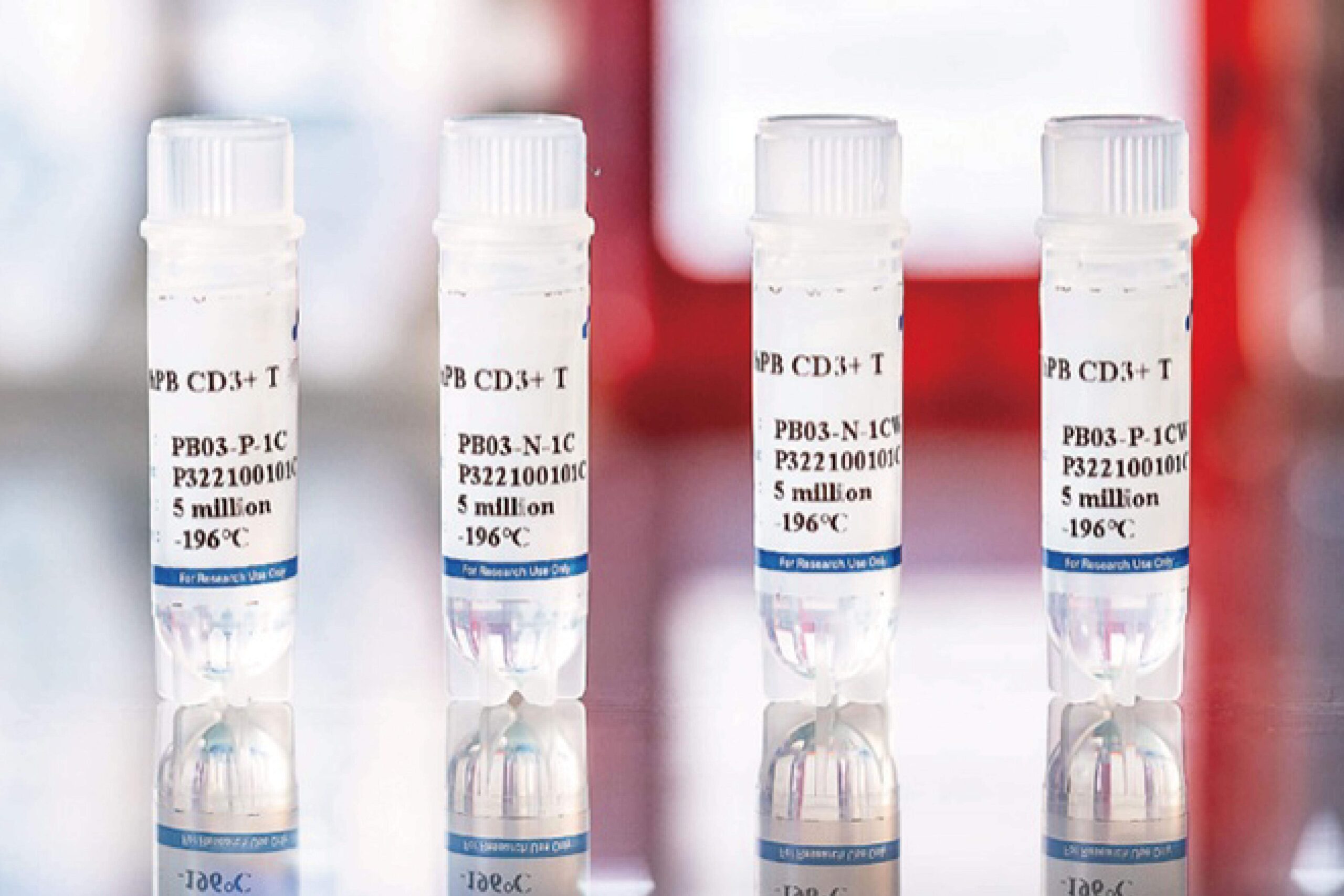
Study T cell activation and proliferation with CD3+, CD4+ or CD8+ populations, and investigate B cell responses using CD19+ cells. Choose isolated subsets when a defined cellular mechanism is the priority. PBMCs support experiments in which antigen presentation and interactions among immune populations contribute to the response.
Innate Immune Signaling and Cytotoxicity
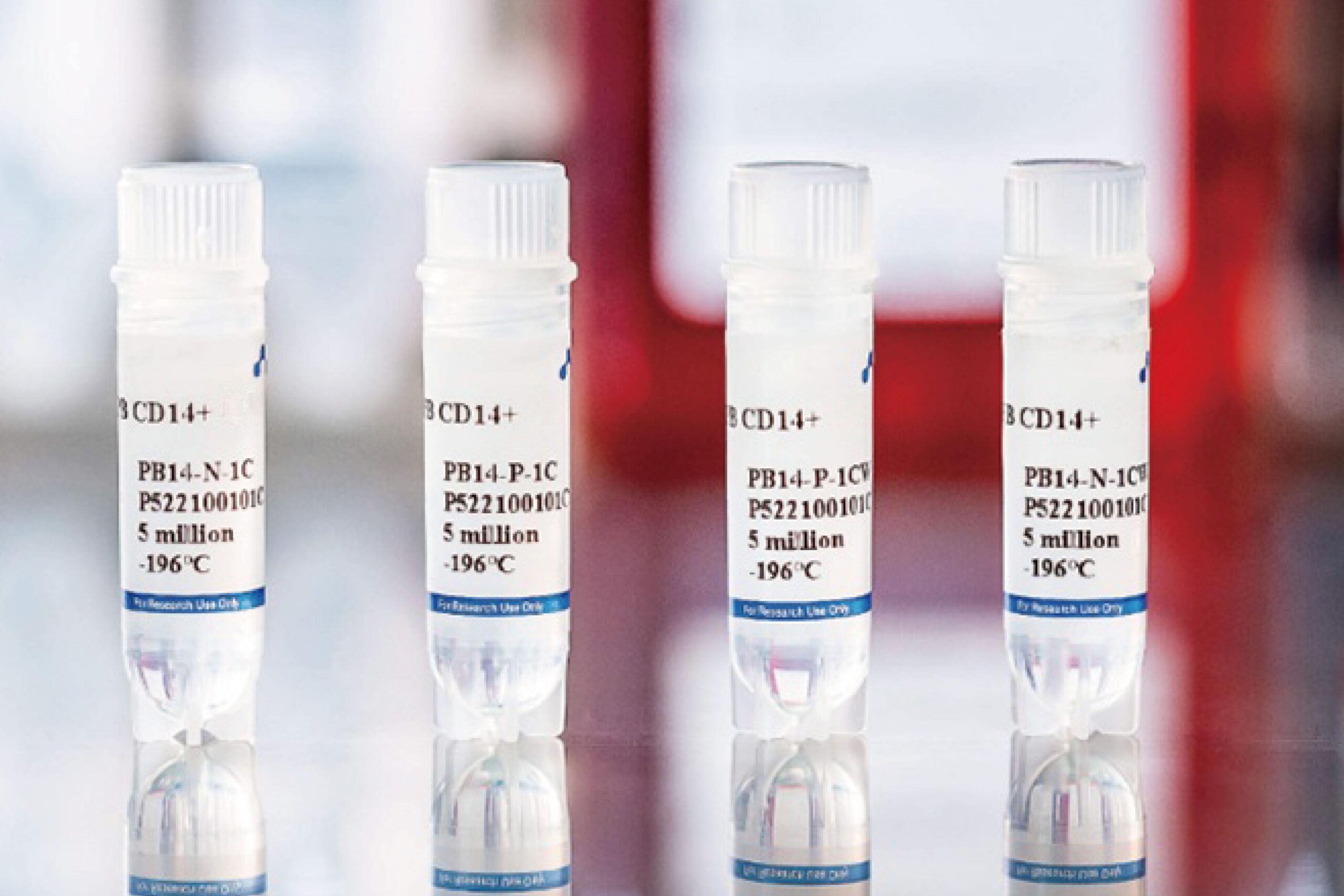
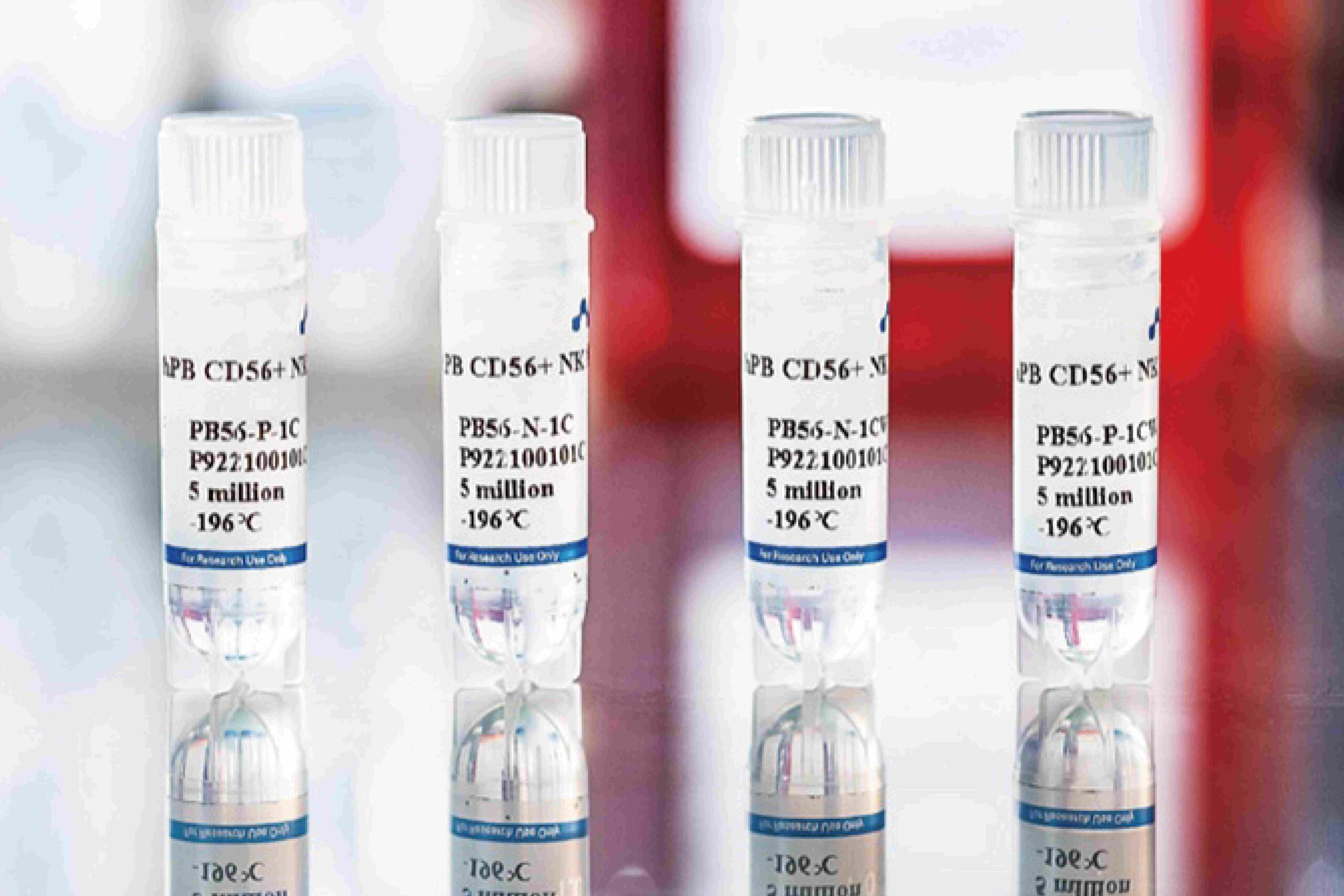
Use CD14+ monocytes to investigate inflammatory signaling and NK cells to explore cytotoxic responses. Define stimulation conditions and record phenotype, viability and functional readouts together. Monocyte-derived macrophage experiments require a validated differentiation protocol, while PBMC assays provide a broader context for studying communication between innate and adaptive populations.
Cell Isolation and Donor Variability
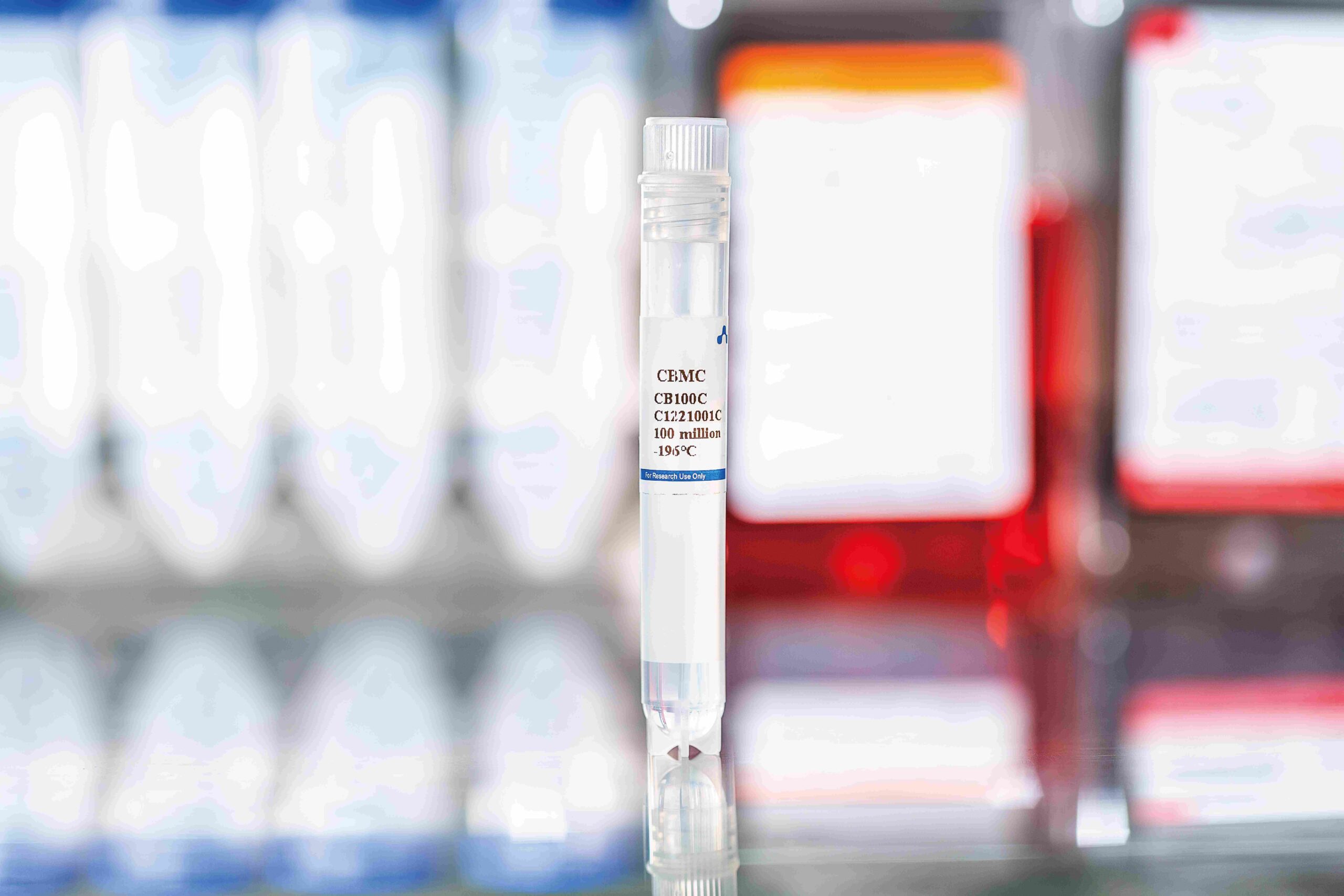
Select the starting cell source and enrichment approach according to the phenotype required by the experiment. MileCell MagSep reagents support immune cell isolation workflows, and mononuclear cells from blood, cord blood or bone marrow offer different population compositions. Use lot-specific information and functional checks to maintain consistency across experiments and interpret donor variability.
Select Materials That Match Your Assay
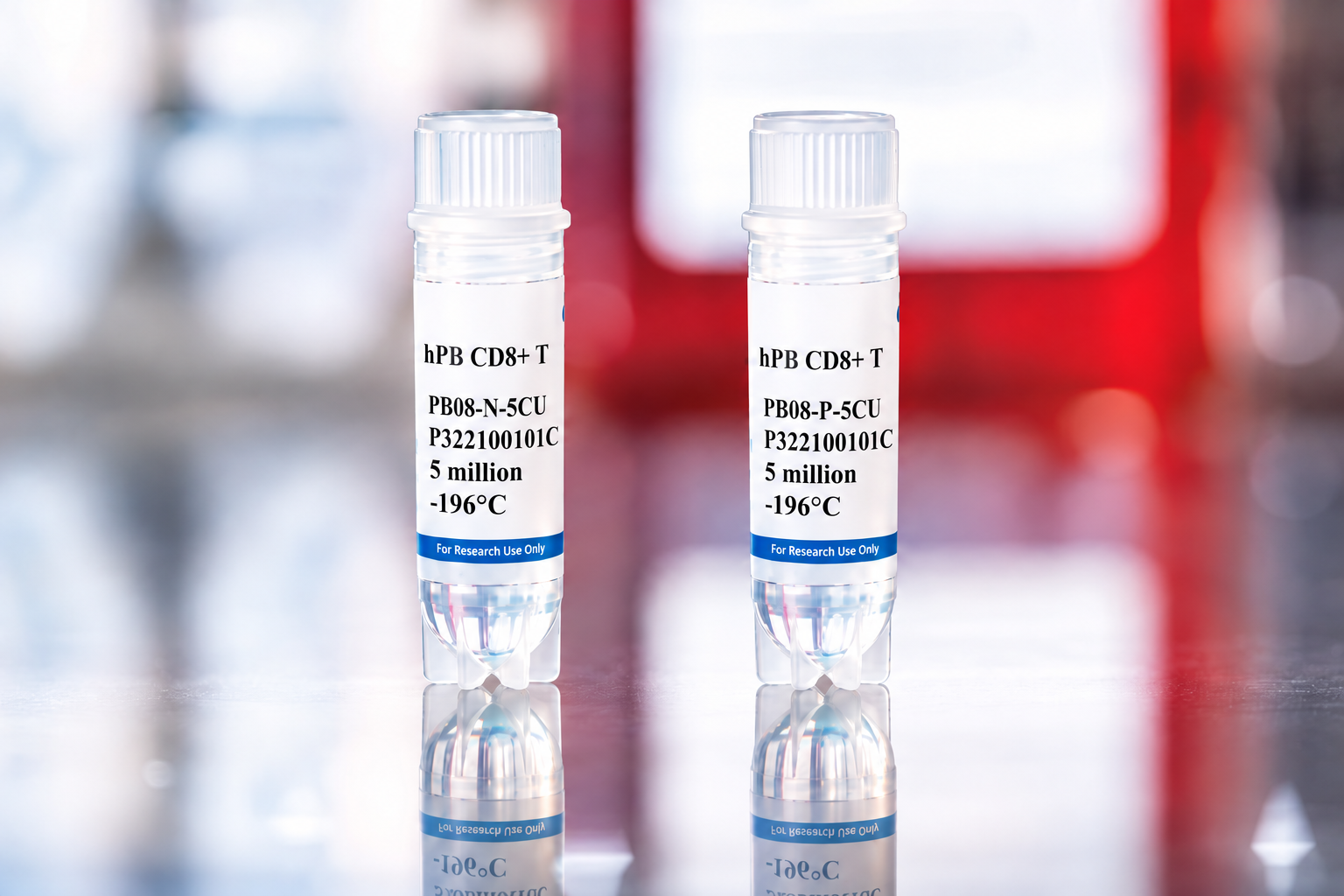
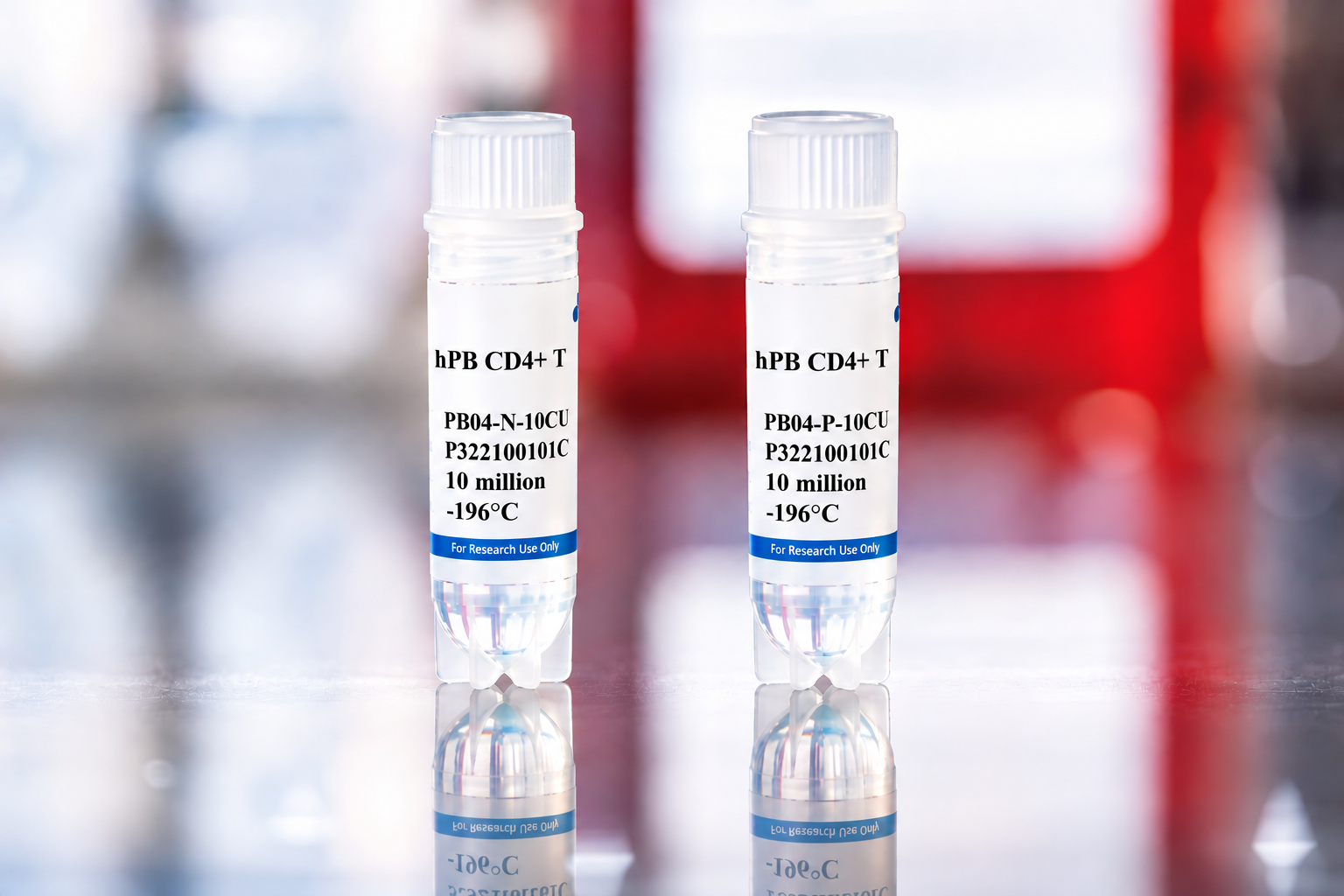
Choose the cell source, species and preparation according to the function you need to measure. Explore MileCell Human Peripheral Blood CD3+ T Cells, Human Peripheral Blood CD4+ T Cells, Human Peripheral Blood CD8+ T Cells and request the product specifications relevant to your workflow. Confirm availability and assay requirements with the MileCell team before planning your study.
Product Documentation
Review available product specifications, user guides and safety data on the linked product pages. Contact the MileCell team for documents relevant to your selected materials.
Application Note
FAQs
Why include multiple donors?
Immune composition and responsiveness vary among individuals. Multiple donors help distinguish a reproducible response from a donor-specific effect.
How should I evaluate cells after thawing?
Check viable recovery and subset composition, then measure an endpoint relevant to the assay. Viability alone does not demonstrate preserved immune function.