Antibody-Drug Conjugates (ADCs)
Primary cell models for ADC safety and payload research.
Antibody-drug conjugates combine antigen recognition with a cytotoxic payload. Their evaluation requires separate consideration of target-dependent activity, released payload behavior and effects on non-target cells. MileCell primary immune cells, hepatocytes and subcellular fractions support selected safety and metabolism experiments alongside the tumor models and conjugate analytics needed for a complete ADC program.
Research Solutions for Antibody-Drug Conjugates (ADCs)
Normal-Cell Response and Safety
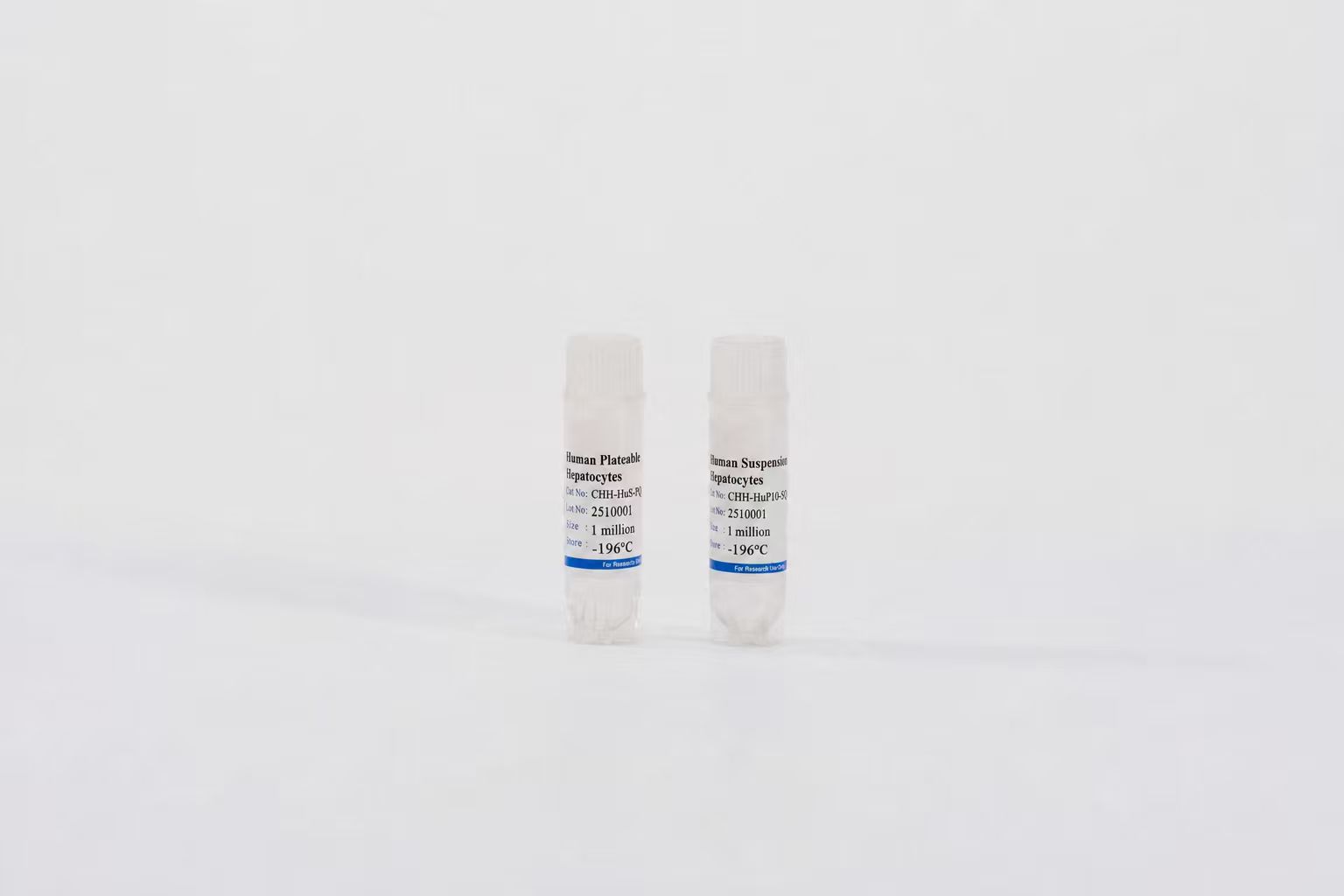
Investigate how an ADC, unconjugated antibody and free payload affect normal-cell viability and function. Human hepatocytes and immune cells provide complementary models for selected tissue and immune endpoints. Confirm target expression and exposure conditions in each system. Use additional tissue-specific models where necessary to address liabilities outside the MileCell portfolio.
Released Payload Metabolism
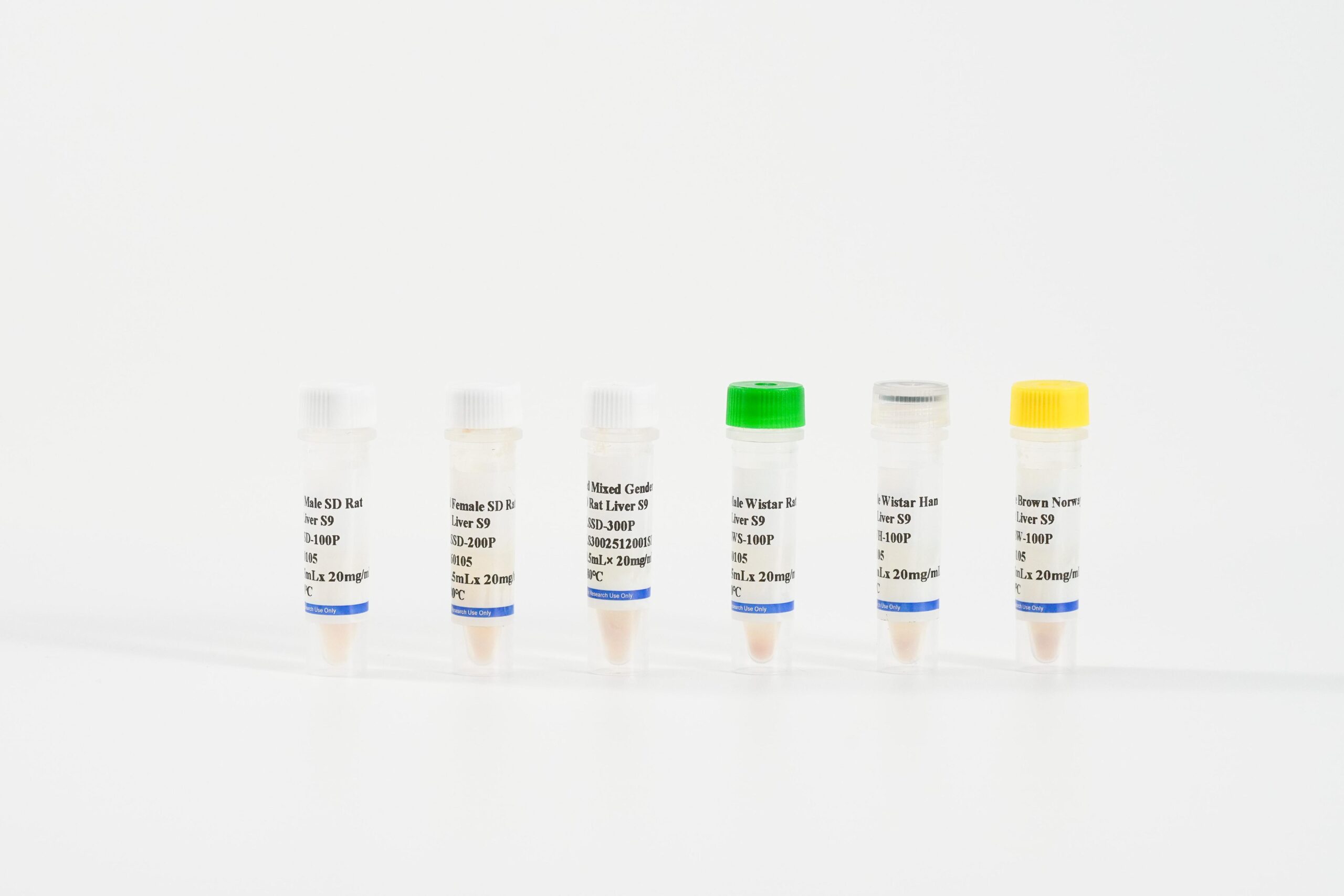
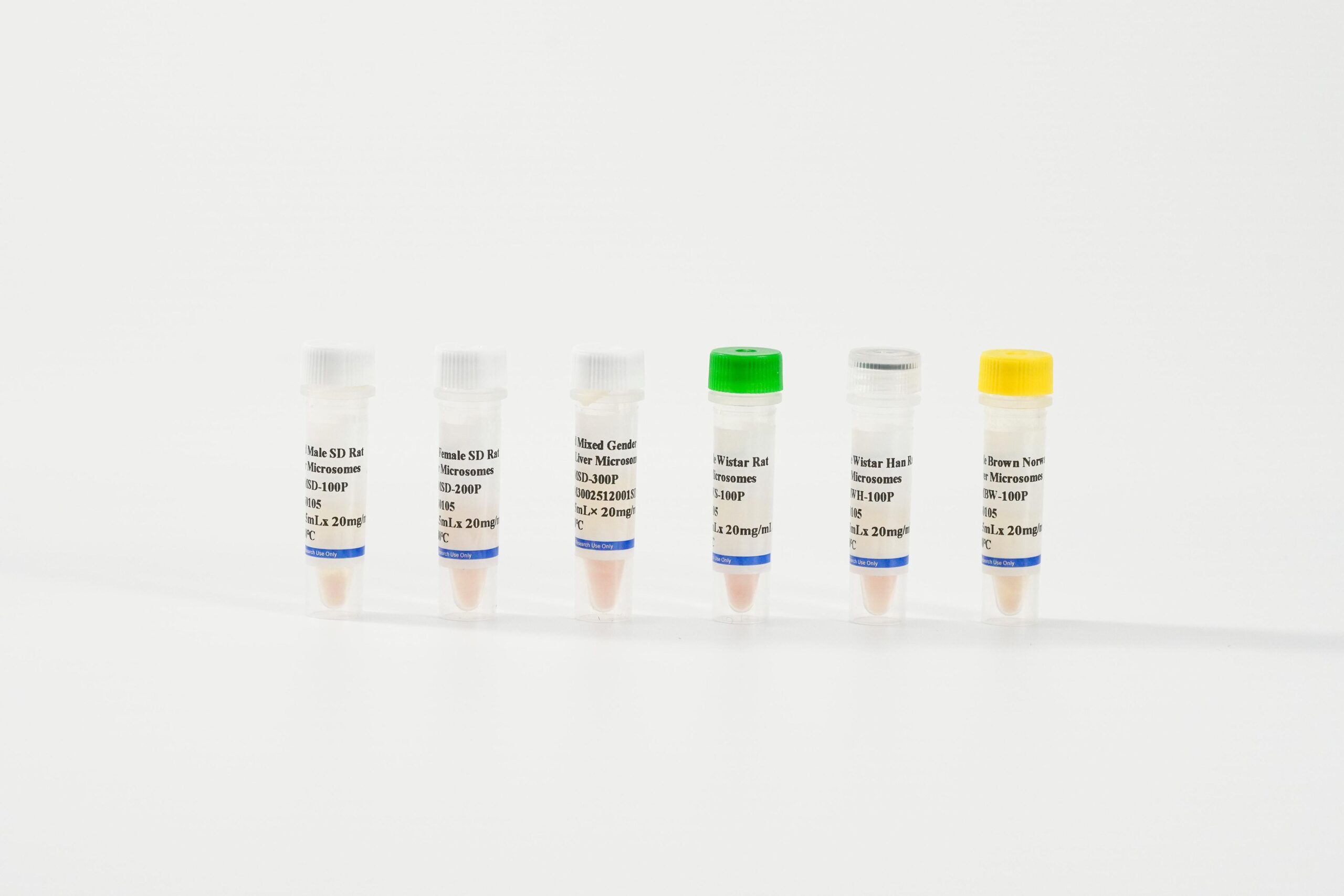
Study small-molecule payload turnover and metabolite formation using hepatocytes or appropriate enzyme fractions. These systems can help compare the behavior of a released payload or defined catabolite. They do not reproduce the complete uptake, trafficking and degradation of an intact ADC. Match substrate, cofactors and analytical methods to the question being investigated.
Immune Effector Contributions
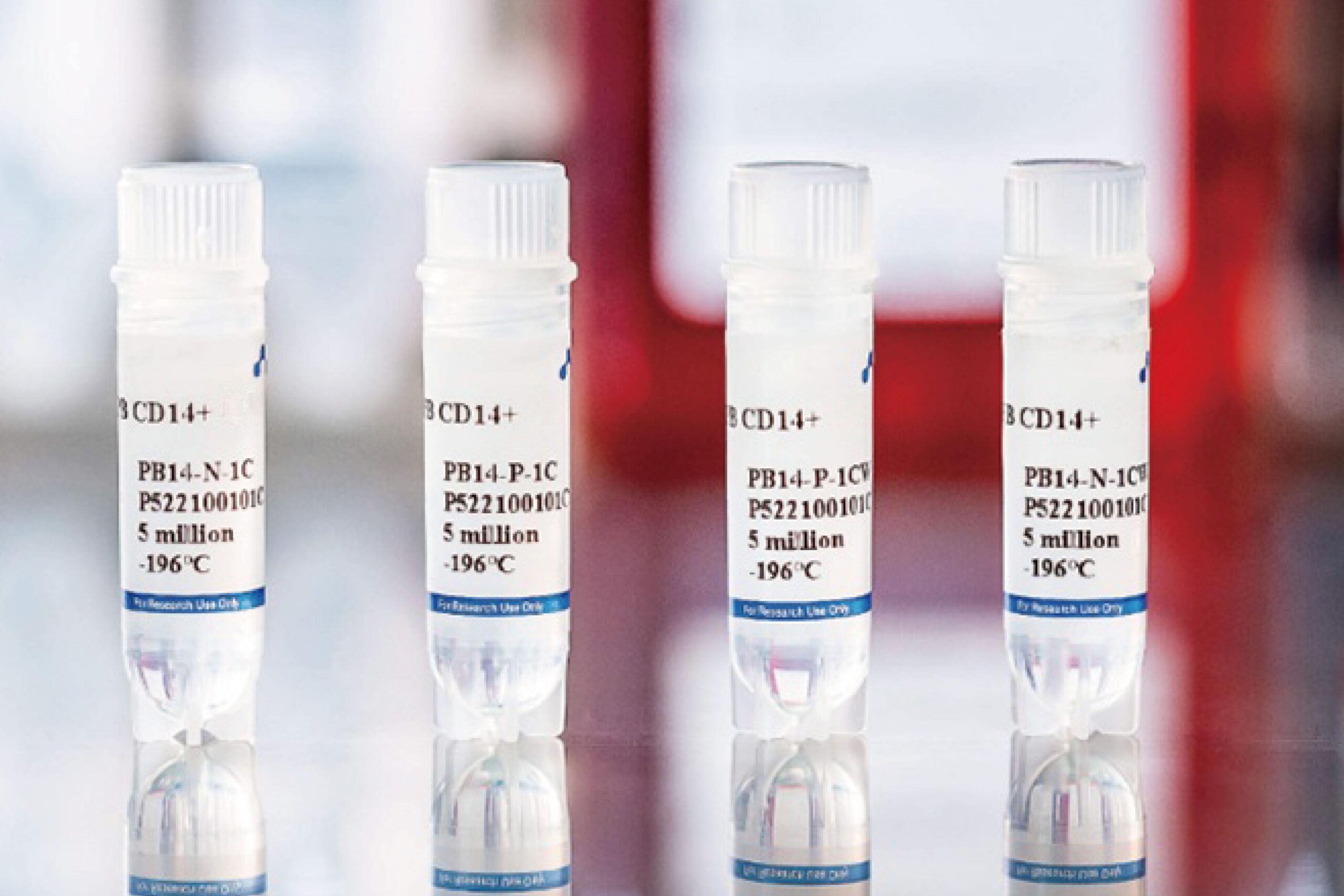
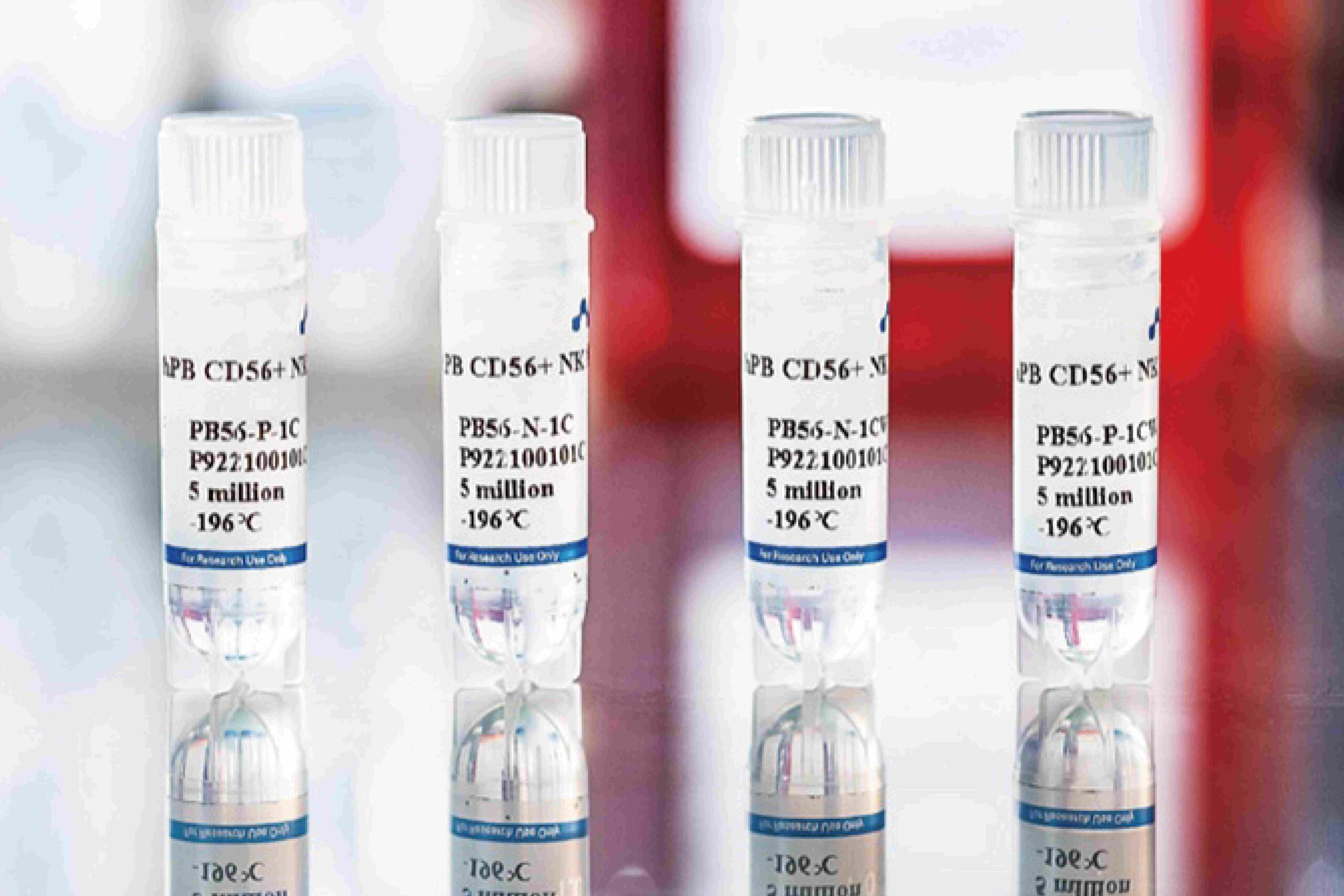
When the antibody component is expected to recruit immune cells, examine its contribution with NK cells, monocytes or PBMCs in a suitable target-cell co-culture. Include controls that separate antibody-mediated effects from payload toxicity. MileCell provides the immune cell component, while antigen-defined tumor models and ADC-specific reagents are supplied through the research workflow.
Select Materials That Match Your Assay
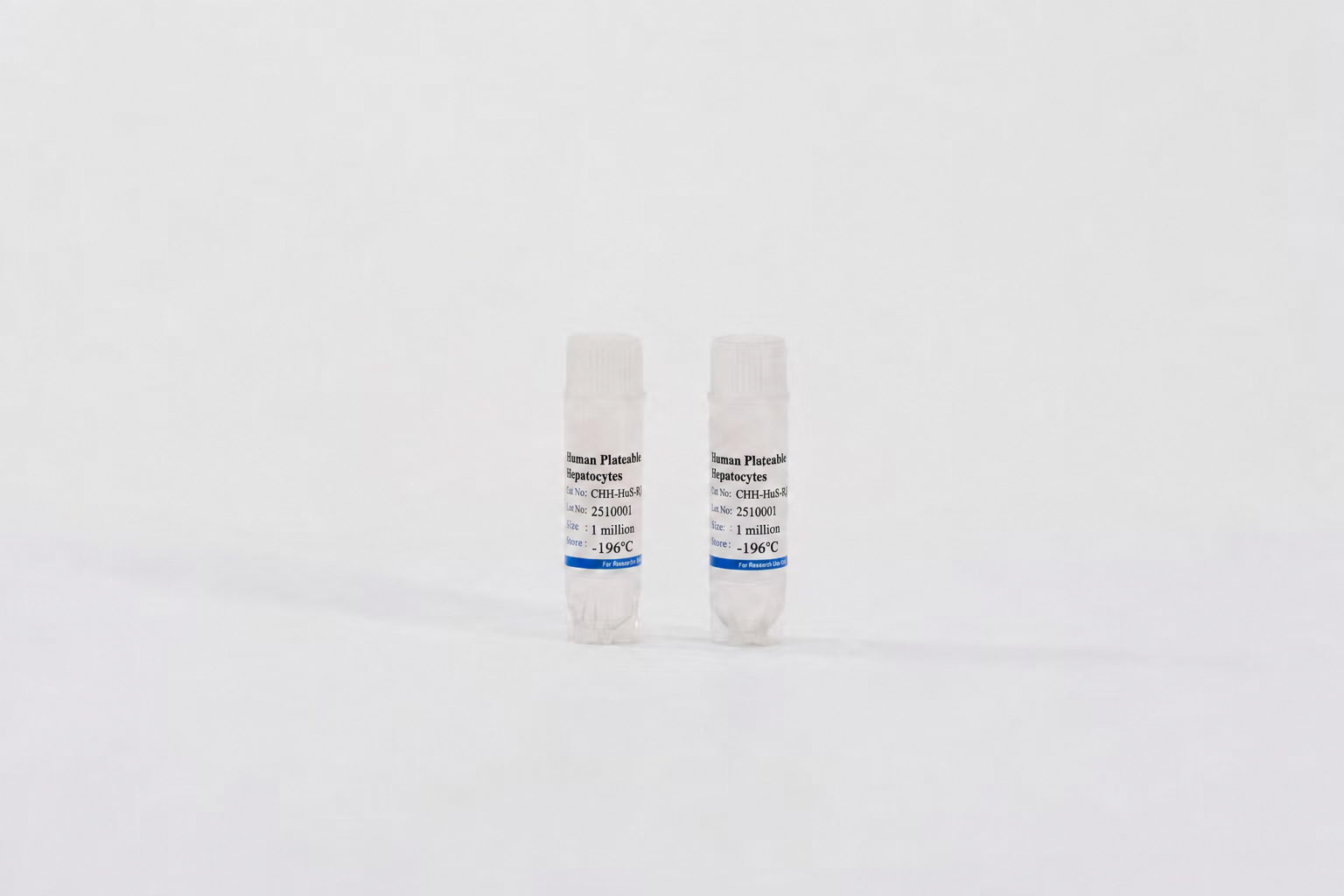
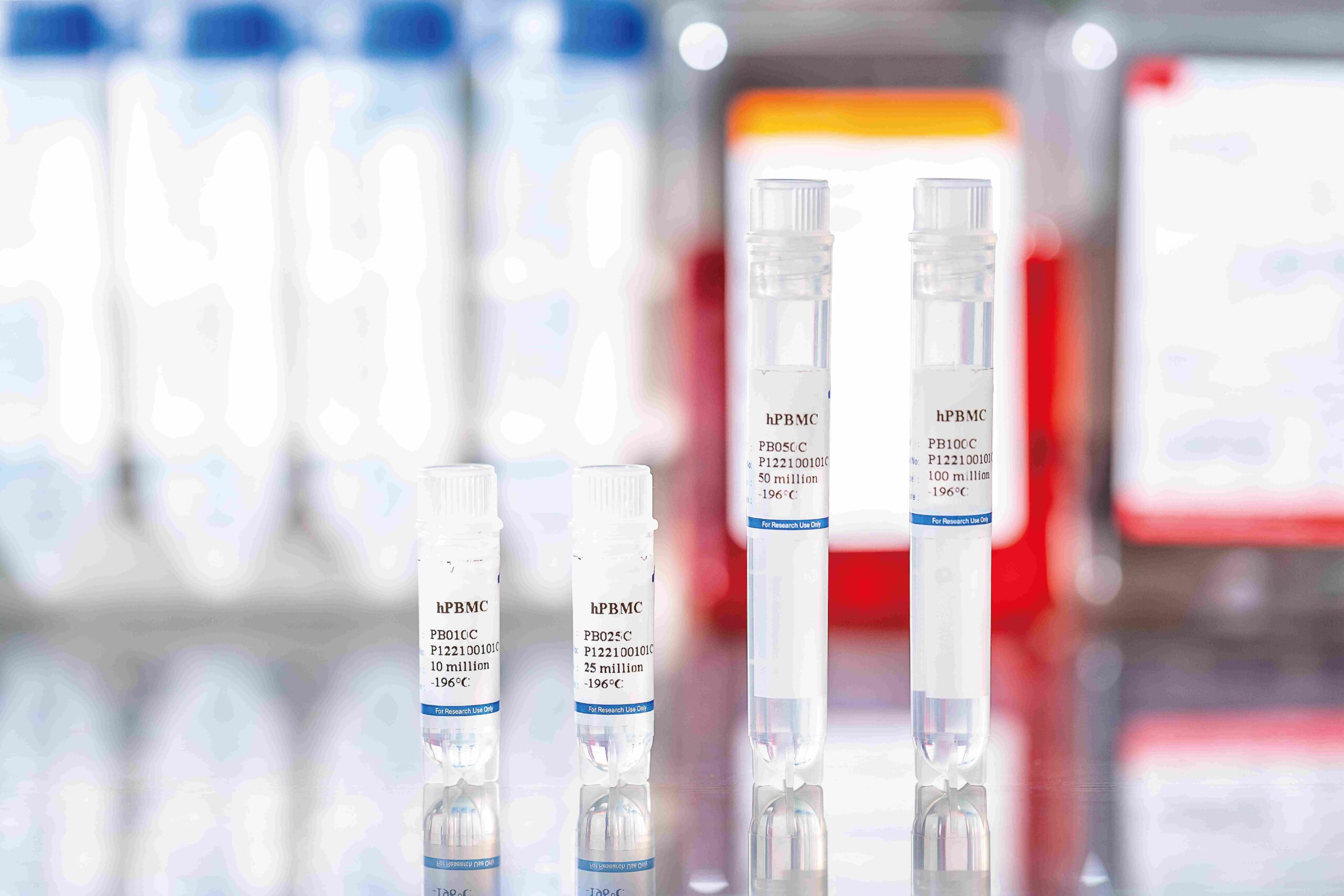
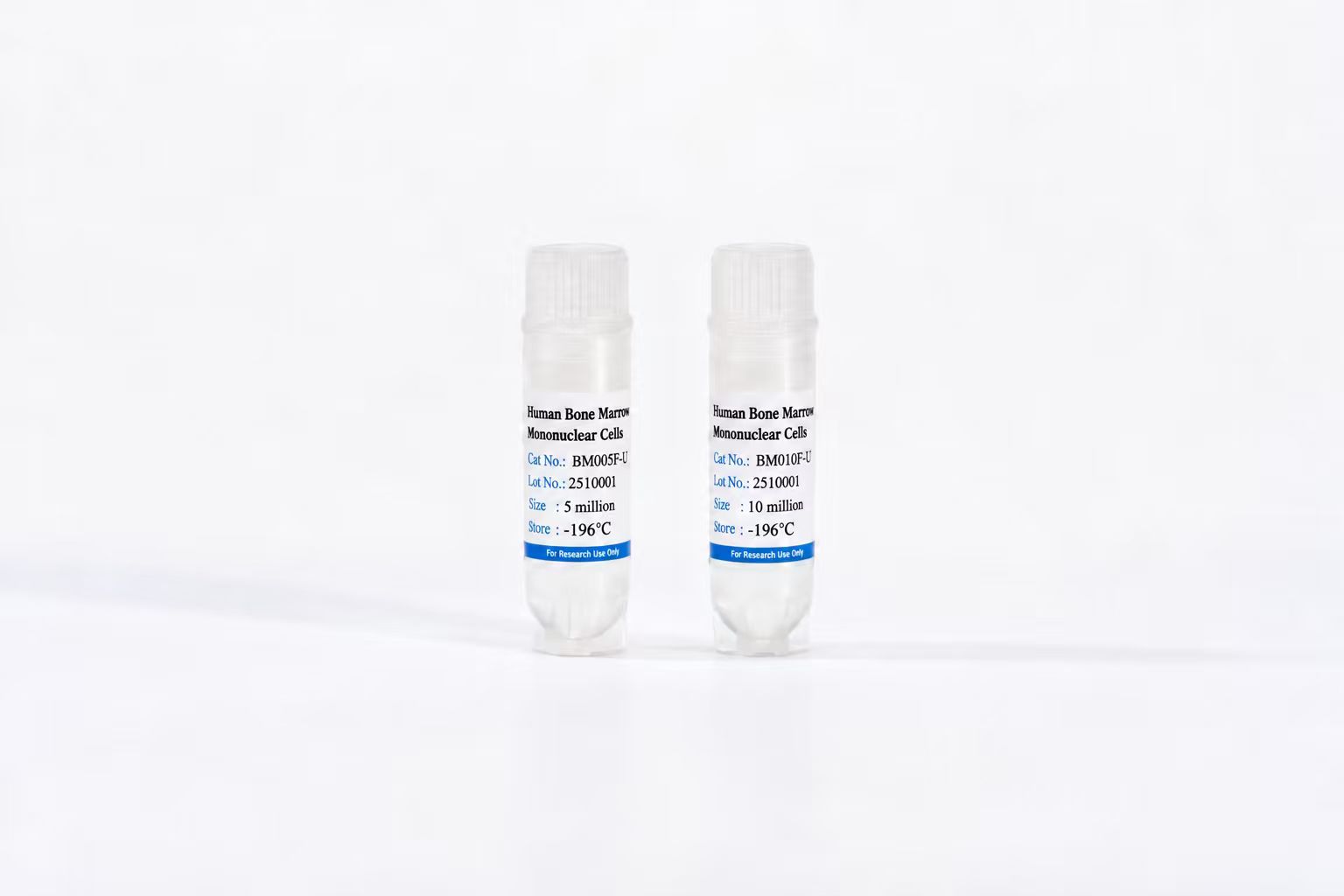
Choose the cell source, species and preparation according to the function you need to measure. Explore MileCell Human Plateable Hepatocytes, Human PBMCs, Human BMMCs and request the product specifications relevant to your workflow. Confirm availability and assay requirements with the MileCell team before planning your study.
Product Documentation
Review available product specifications, user guides and safety data on the linked product pages. Contact the MileCell team for documents relevant to your selected materials.
Application Note
FAQs
Can liver microsomes measure whole-ADC clearance?
Microsomes can support suitable small-molecule payload metabolism assays. Intact ADC disposition also involves processes such as cellular uptake and proteolytic catabolism that microsomes do not capture.
Does MileCell supply the tumor target model for ADC screening?
The verified portfolio used here covers primary cells and supporting reagents. Select an antigen-defined tumor model separately and confirm its suitability for your ADC.