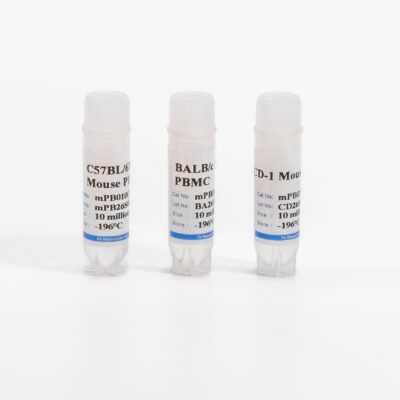
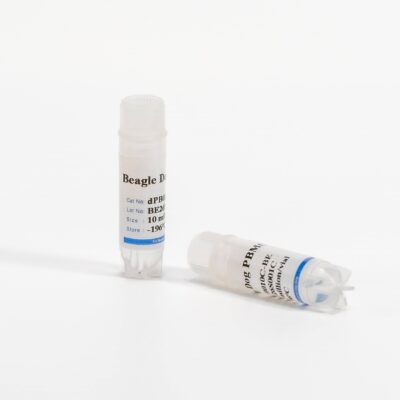
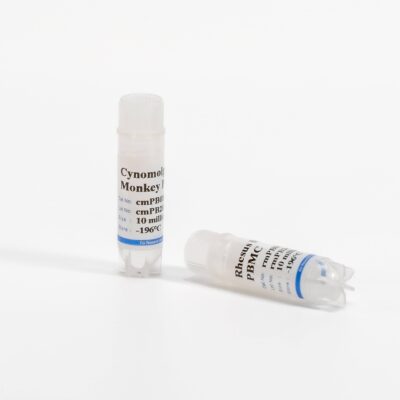
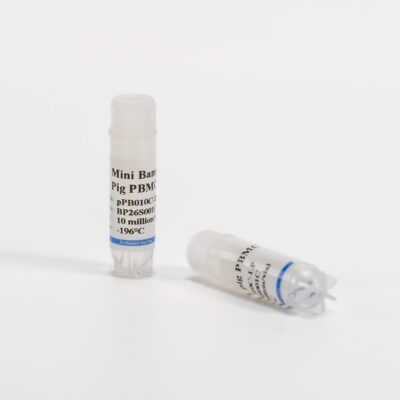
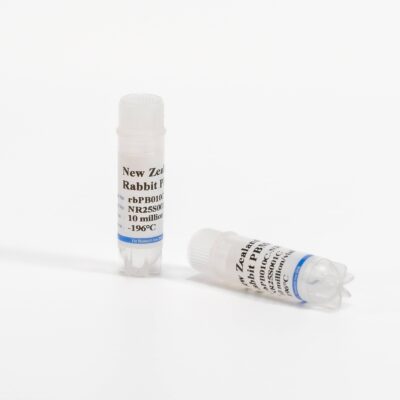
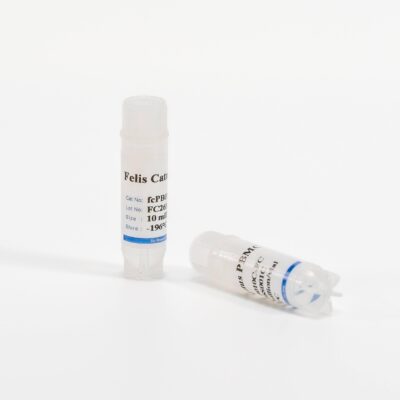
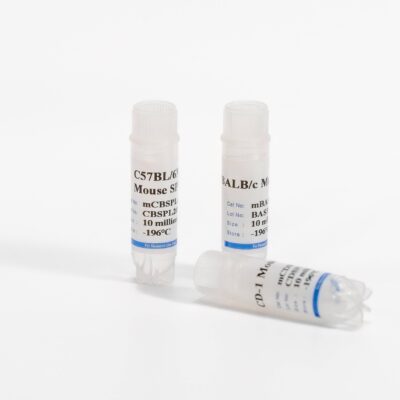
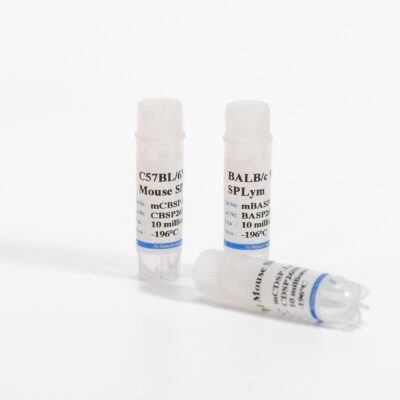
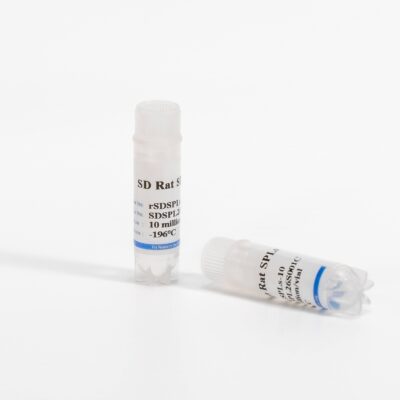
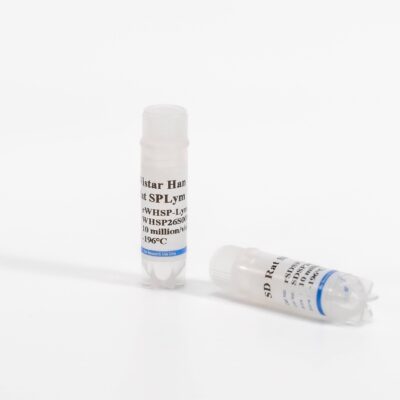
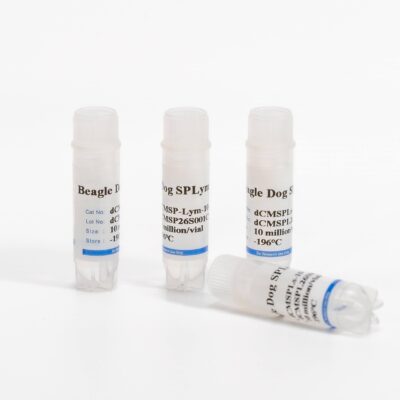
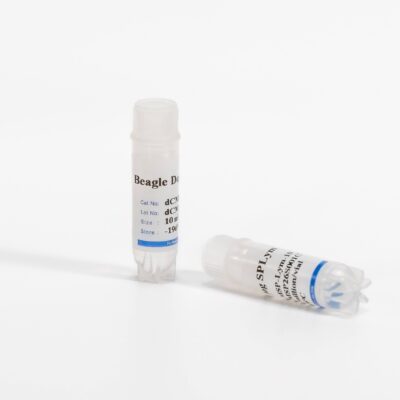
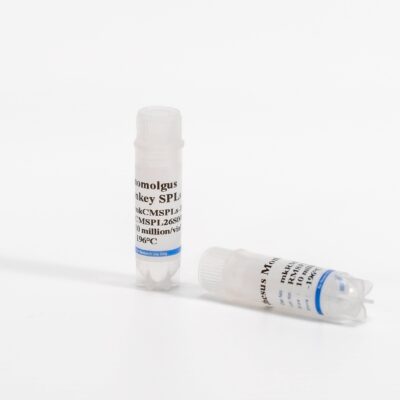
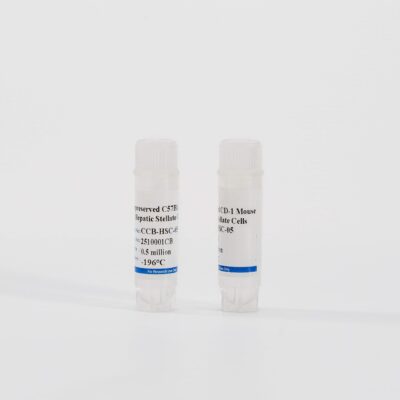
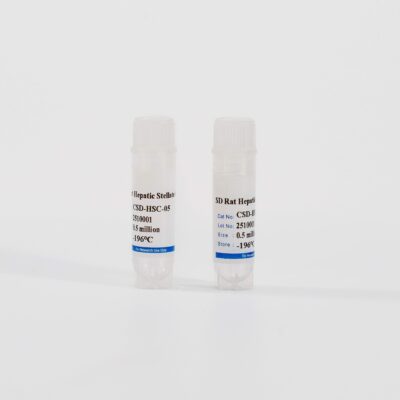
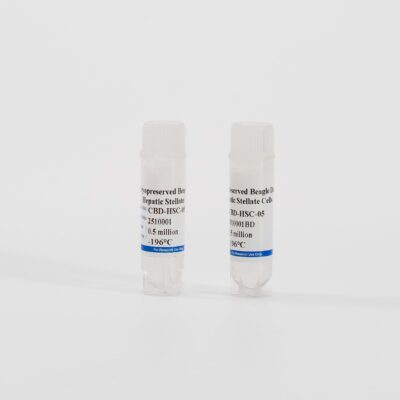
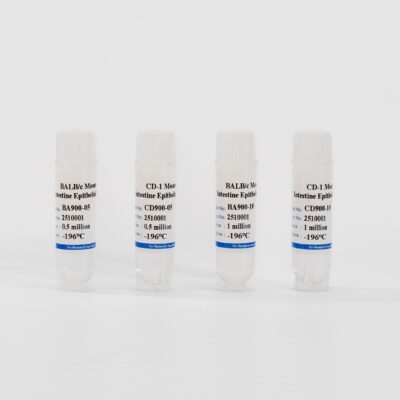
Animal primary cells provide tissue-derived models for studying biological responses within a defined species context. They help researchers investigate conserved pathways, species-dependent differences, and cellular mechanisms relevant to preclinical studies. The choice of species, strain, tissue source, and cell preparation should reflect the experimental question and assay design.
MileCell offers animal immune cells, hepatocytes, liver non-parenchymal cells, intestinal epithelial cells, and renal proximal tubular epithelial cells. Species coverage varies by cell type and includes rodent and selected nonrodent models. The hepatic portfolio includes suspension and plateable hepatocytes, while immune resources include PBMCs, bone marrow mononuclear cells, splenocytes, and splenic lymphocytes. Select products offer strain, gender, or pooled-donor options. Compare the available categories to build your study, and consult individual product information for the preparation and qualification that fit your assay.
Product Features
- Immune, liver, intestinal, and renal cell resources
- Multiple rodent and selected nonrodent species
- Strain, gender, and donor-pooling options on selected products
Applications
- Comparative immunology
- Preclinical metabolism and toxicity research
- Organ-specific cell biology
Tell us your species, cell type, and assay needs. Our team can help you review the available options.