Dermatology Research
Immune cells and animal tissue materials for dermatology research.
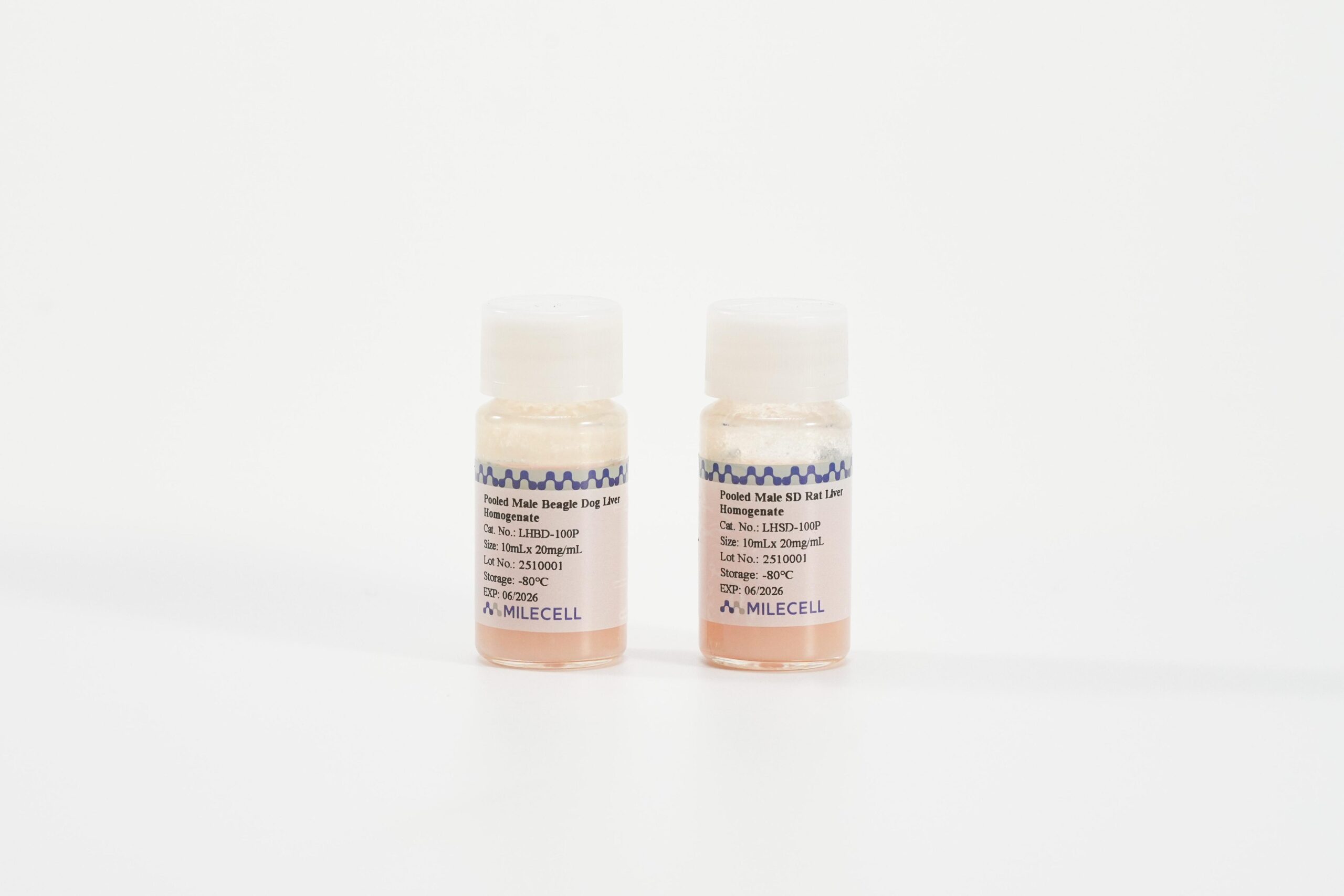
Dermatology research examines tissue responses together with inflammatory and immune mechanisms. Primary immune populations can help investigate selected signaling pathways, while appropriately prepared skin tissues provide material for tissue-based assays. MileCell PBMCs, T cells, monocytes and animal tissue products support these research components alongside separately established skin cell or reconstructed tissue models.
Research Solutions for Dermatology Research
Immune Signaling in Skin-Related Research
Use PBMCs and defined immune subsets to explore activation, cytokine responses and the effects of candidate immunomodulators. Define the biological question and include controls for cell stress and donor variability. These systems support circulating immune mechanisms. They do not reproduce the cellular organization or barrier properties of skin.
Skin Tissue and Assay Controls
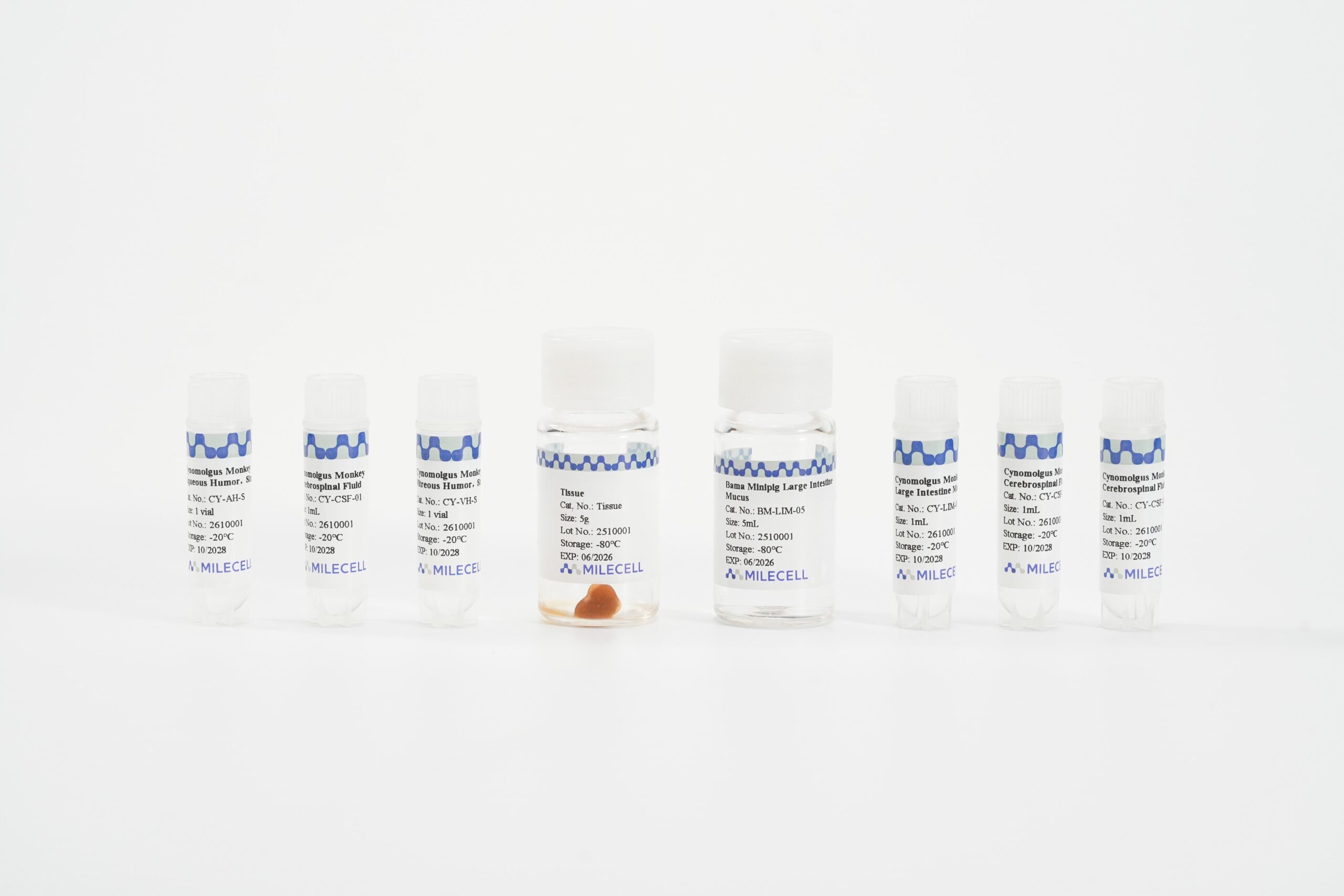
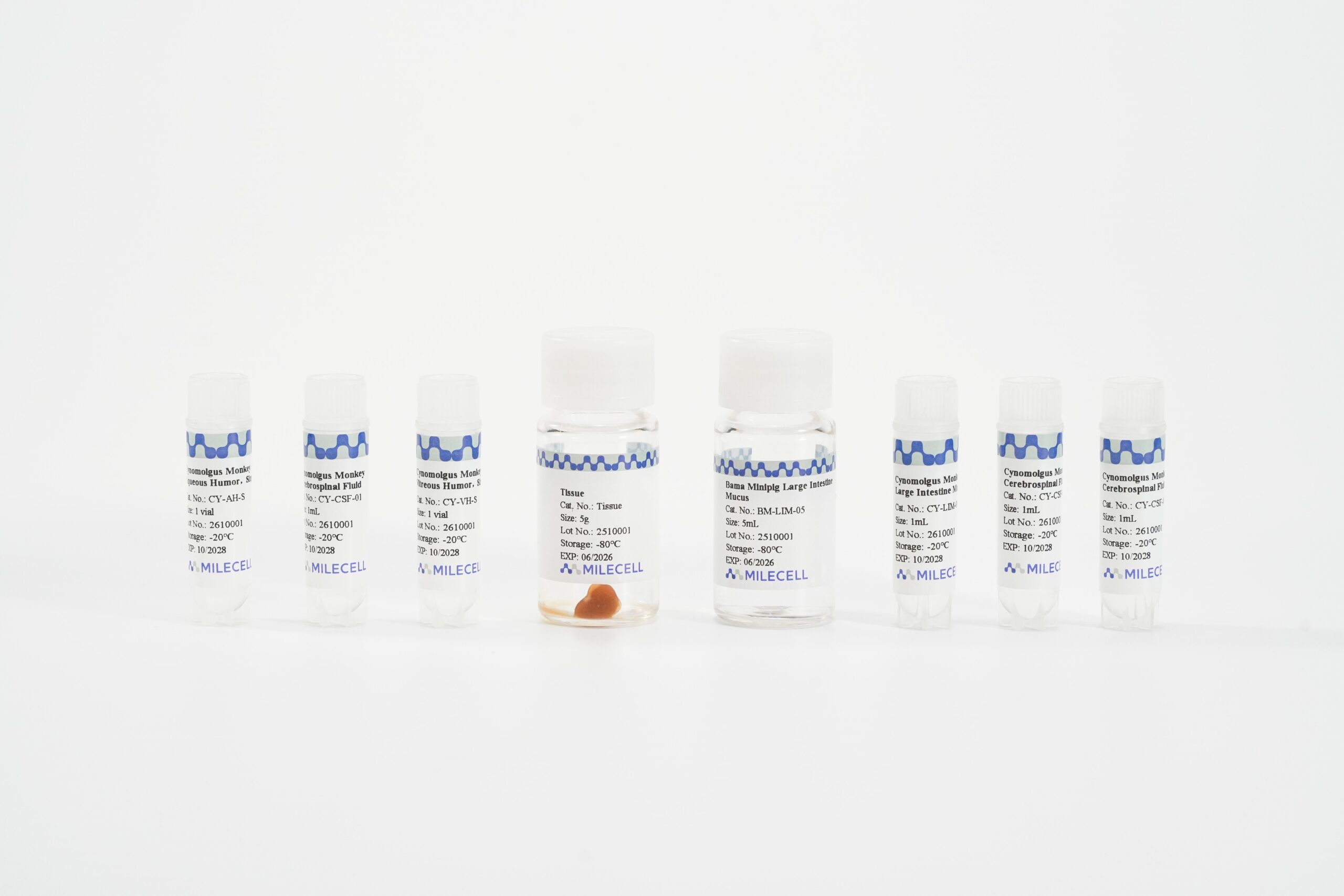
Mouse tissue options include skin in several preparation formats. Select the format according to the analytical endpoint, such as tissue morphology or molecular measurement. Confirm sampling, preservation and any relevant preparation requirements with the team. Normal animal tissue should not be described as disease-derived human skin or as a reconstructed epidermis product.
Immune-Integrated Skin Models
Add selected immune populations to an independently obtained skin model when immune–tissue communication is central to the experiment. Establish culture compatibility and distinguish immune responses from tissue injury. MileCell supplies immune cells and isolation reagents for this component. Keratinocytes, dermal fibroblasts and complete reconstructed skin models were not verified in the reviewed catalog.
Select Materials That Match Your Assay
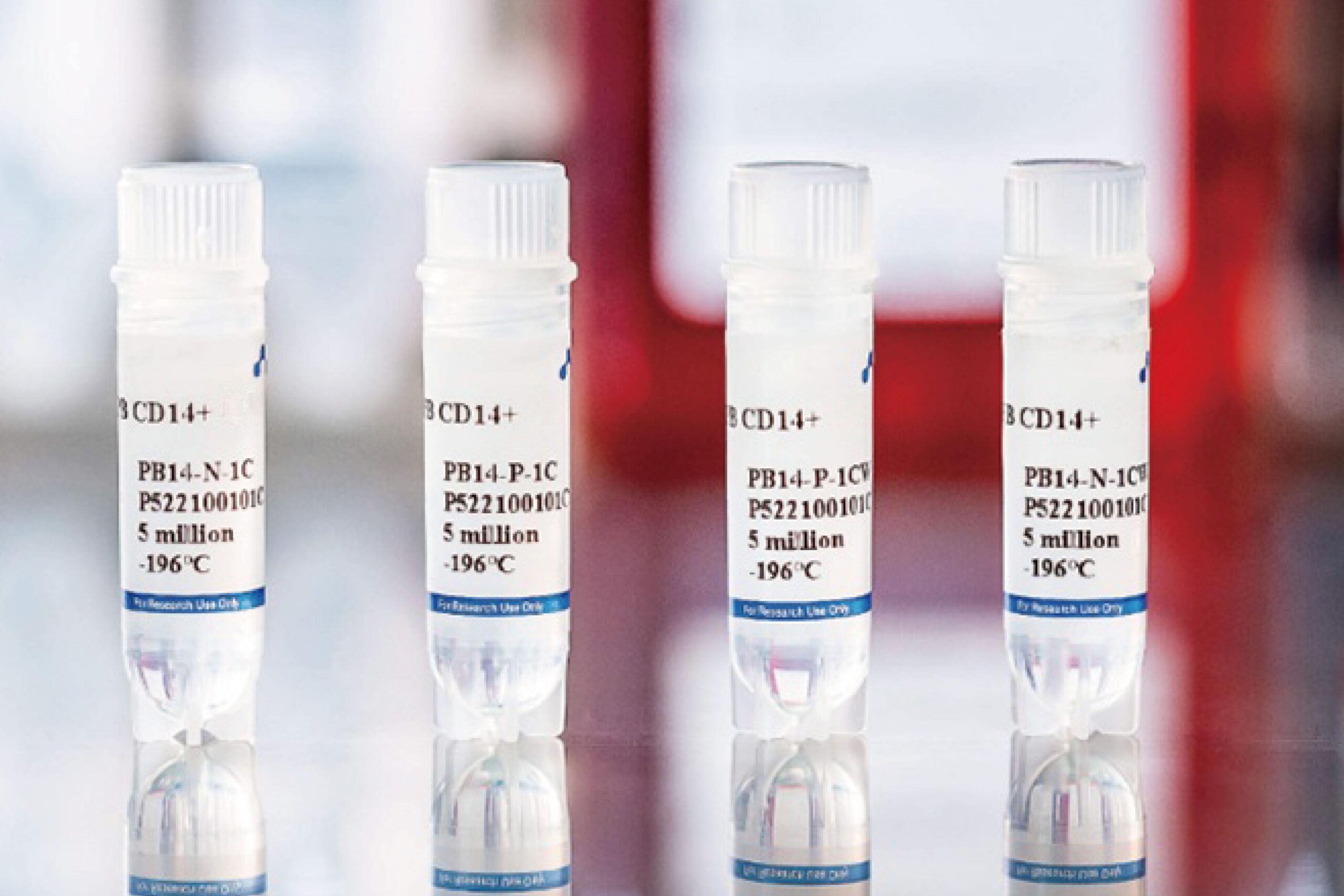
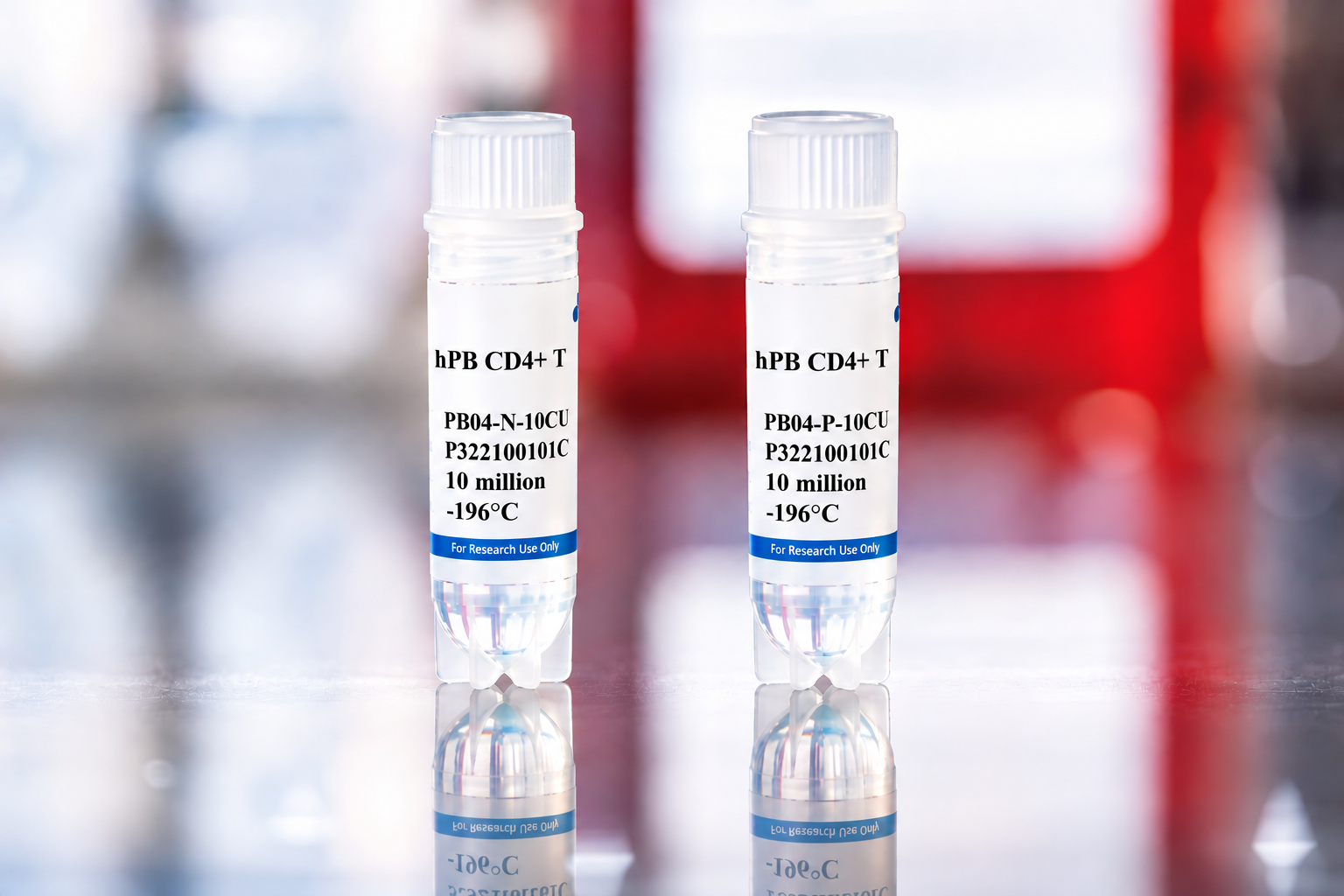
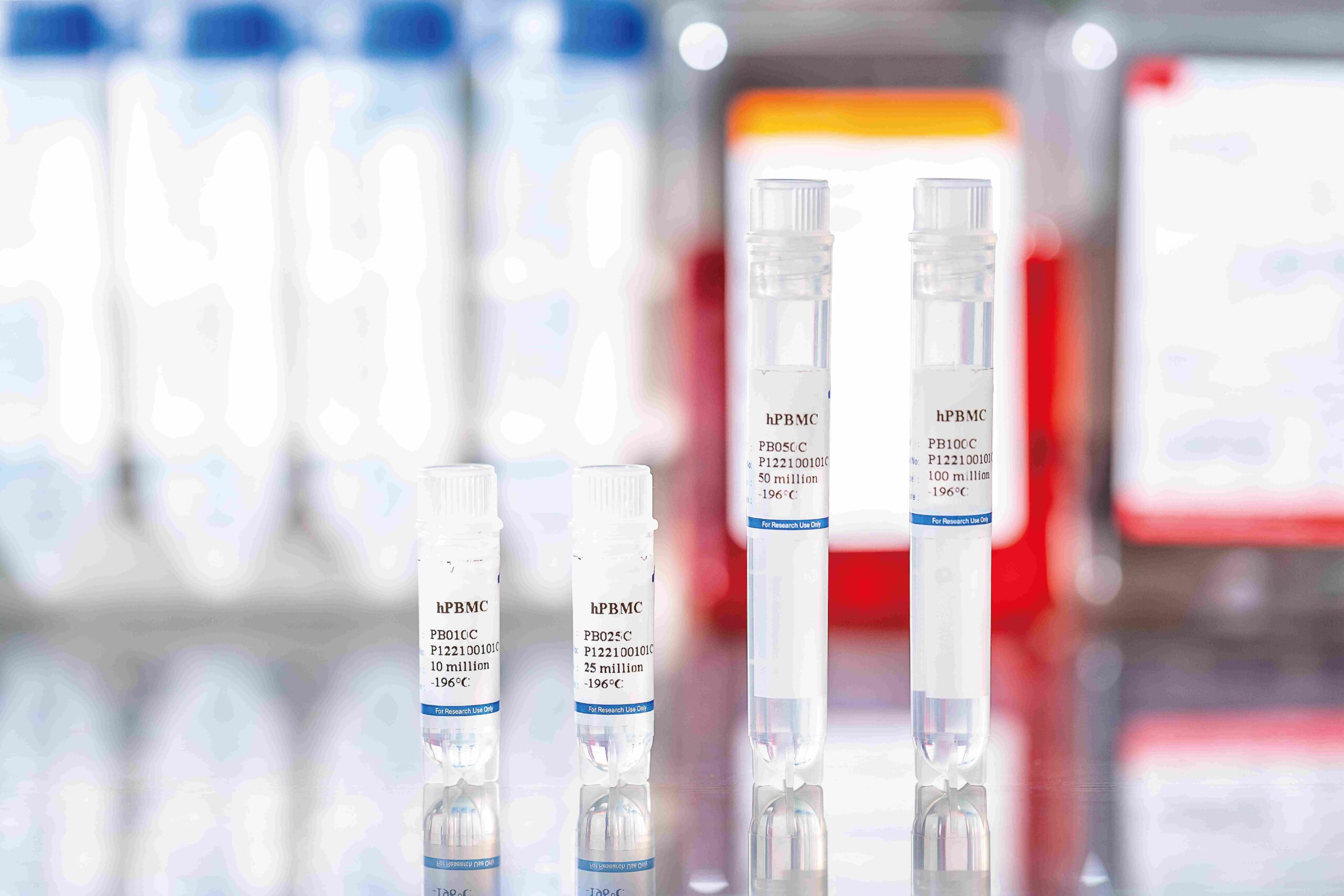
Choose the cell source, species and preparation according to the function you need to measure. Explore MileCell Human PBMCs, Human Peripheral Blood CD4+ T Cells, Human Peripheral Blood CD14+ Monocytes and request the product specifications relevant to your workflow. Confirm availability and assay requirements with the MileCell team before planning your study.
Product Documentation
Review available product specifications, user guides and safety data on the linked product pages. Contact the MileCell team for documents relevant to your selected materials.
Explore negative selection approaches for immune cell isolation.
Application Note
FAQs
Does MileCell supply a complete 3D skin model?
A complete 3D skin model was not verified. This page links immune components and animal tissue materials for selected research workflows.
Can PBMCs assess skin barrier function?
No. Barrier assessment requires a suitable skin or epithelial model and validated measurements. PBMCs address selected immune responses.