Peripheral blood mononuclear cells (PBMCs)sit at the heart of immunology, vaccine, and drug-development research, powering immunophenotyping, functional assays, cytokine release testing, and potency studies. One of the most common questions researchers face when designing these experiments is deceptively simple: should you use fresh PBMCs or cryopreserved PBMCs? Fresh cells have long been viewed as the […]
Peripheral blood mononuclear cells (PBMCs)are one of the most widely used primary cell types in immunology, vaccine research, and drug development. They contain the lymphocytes and monocytes that drive adaptive and innate immune responses, making them an accessible, physiologically relevant window into immune function. Yet a question that shapes the entire success of a translational […]
Cryopreserved hepatocytes are a cornerstone of in vitro drug metabolism and pharmacokinetics (DMPK) research. They retain a near-complete set of Phase I and Phase II drug-metabolizing enzymes, transporters, and cofactors, making them the most physiologically relevant model for predicting hepatic clearance, profiling metabolites, and assessing drug-drug interaction potential. But not all cryopreserved hepatocytes perform equally. […]
In drug metabolism and pharmacokinetics (DMPK) research, suspension hepatocytes are widely regarded as the gold-standard in vitro model for studying hepatic clearance, metabolite profiling, and drug-drug interaction potential. They retain the full complement of Phase I and Phase II drug-metabolizing enzymes and cofactors, making them more physiologically relevant than isolated subcellular fractions. For preclinical and […]
Introduction Isolating highly purified immune cells is a foundational step in immunology and immuno-oncology research. Whether you are studying T cell function, building a co-culture model, or preparing cells for single-cell sequencing, the quality of your downstream data depends on how cleanly you can separate your target cells from a complex sample such as peripheral […]
In immunology and immuno-oncology research,how you isolate cells can be just as important as the cells themselves. When a downstream assay depends on cells that are fully functional and free of surface-bound reagents, the isolation method must avoid labeling the target population. This is exactly where negative selection kits outperform. Negative selection is a magneticcell […]
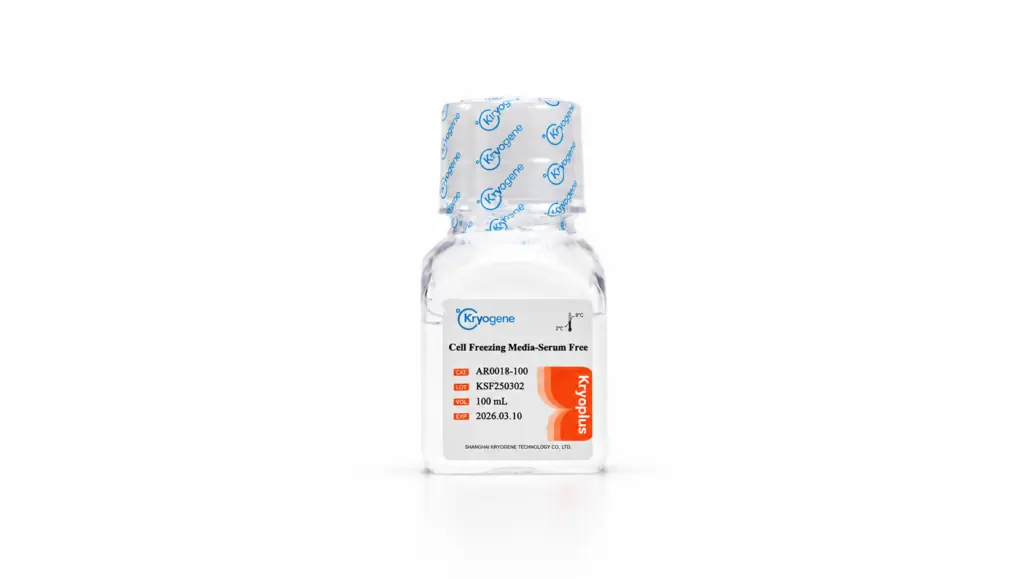
Serum has been a common ingredient in cell freezing media for decades because it offers broad cryoprotective support. But for modern research and bioprocessing, serum is increasingly seen as a liability. Animal-derived components introduce lot-to-lot variability, undefined composition, and the risk of adventitious agents, and they are incompatible with the xeno-free workflows that many laboratories […]
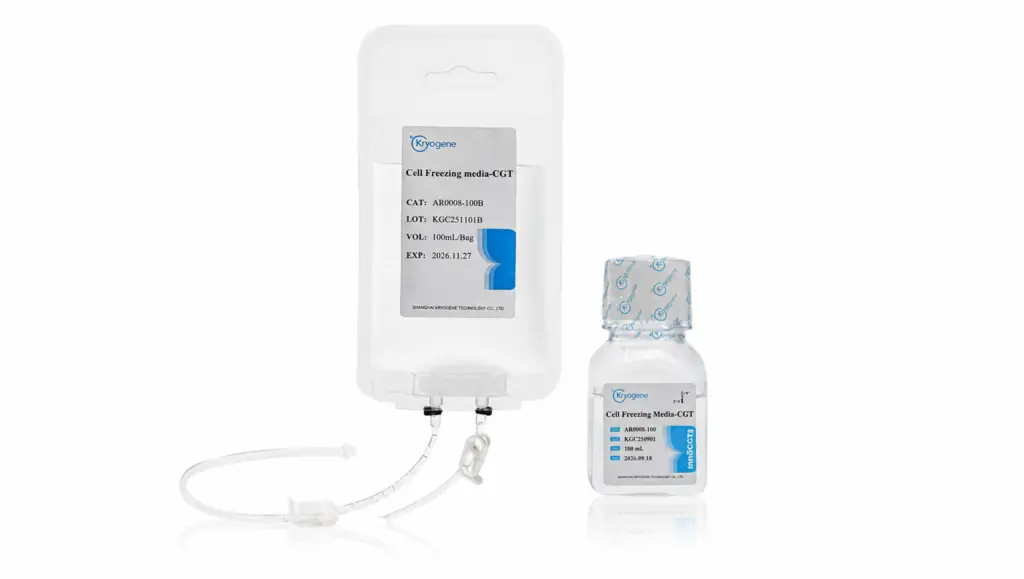
Learn key factors for choosing cell freezing media for CGT, including viability, recovery, DMSO, serum-free formulation, GMP manufacturing, and post-thaw function.
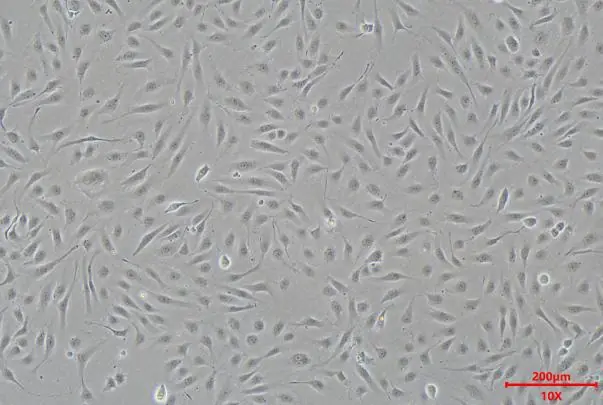
HUVECs Cryopreservation Challenges In the field of life science research and bioprocessing, the cryopreservation of primary cells has long been a key challenge. Human Umbilical Vein Endothelial Cells (HUVECs), as essential tools for vascular biology, angiogenesis, and drug safety research, require strict cryopreservation conditions to maintain their phenotypic and functional integrity across different passages. Traditional […]
Login
Sign Up
Welcome back. Please sign in to access your MileCell account.
We use cookies to improve your browsing experience, analyze traffic, and support personalized advertising. You can accept, reject, or customize optional cookies. Privacy Policy
Essential cookies
Always active
Ensure the basic functions of the website (such as login and shopping cart), which cannot be disabled as doing so will render the website unusable.
Preference setting cookie
Remember your personalized choices (such as language, theme), and you will need to manually set them each time after closing.
Statistical analysis of cookies
The technical storage or access that is used exclusively for statistical purposes.Collect anonymous access data for website optimization, which does not involve personal identity information, and its closure does not affect core functions.
Marketing advertising cookie
Used for precise advertisement delivery and tracking browsing behavior. After being disabled, personalized advertisement recommendations will no longer be provided.