🎁  Special Promo: 15% off for new account creator CREATE2026 ✦  Meet us at SITC2026 - Phoenix, Nov 4-8 🔬  New Product Launch: Human Primary Cells

Toxicology

Cellular models and metabolic activation tools for toxicology research.

Toxicology research examines adverse effects across cellular systems, exposure conditions and biological mechanisms. No single model captures every liability. MileCell primary hepatocytes, immune cells, animal epithelial cells and induced liver S9 support complementary studies of cellular injury, inflammatory responses and metabolism-dependent effects during early compound assessment.

Research Solutions for Toxicology

Hepatotoxicity and Liver Inflammation

Assess compound effects in primary human hepatocytes using cell health together with relevant liver-function endpoints. Add Kupffer cells or other liver non-parenchymal components when inflammation is central to the question. Validate co-culture behavior and exposure conditions, and interpret the results as evidence within the selected model rather than a complete prediction of human liver risk.

Related Products

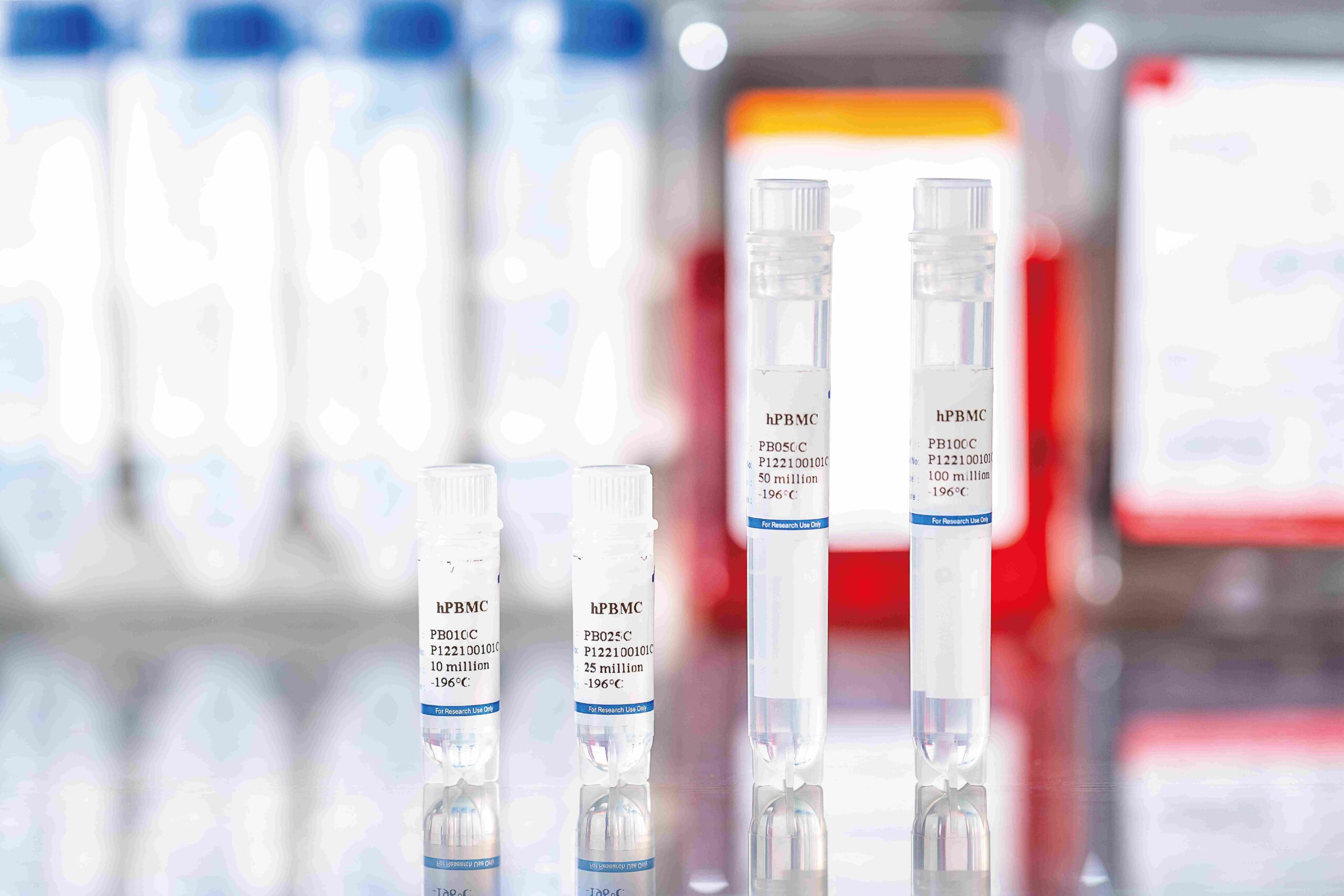
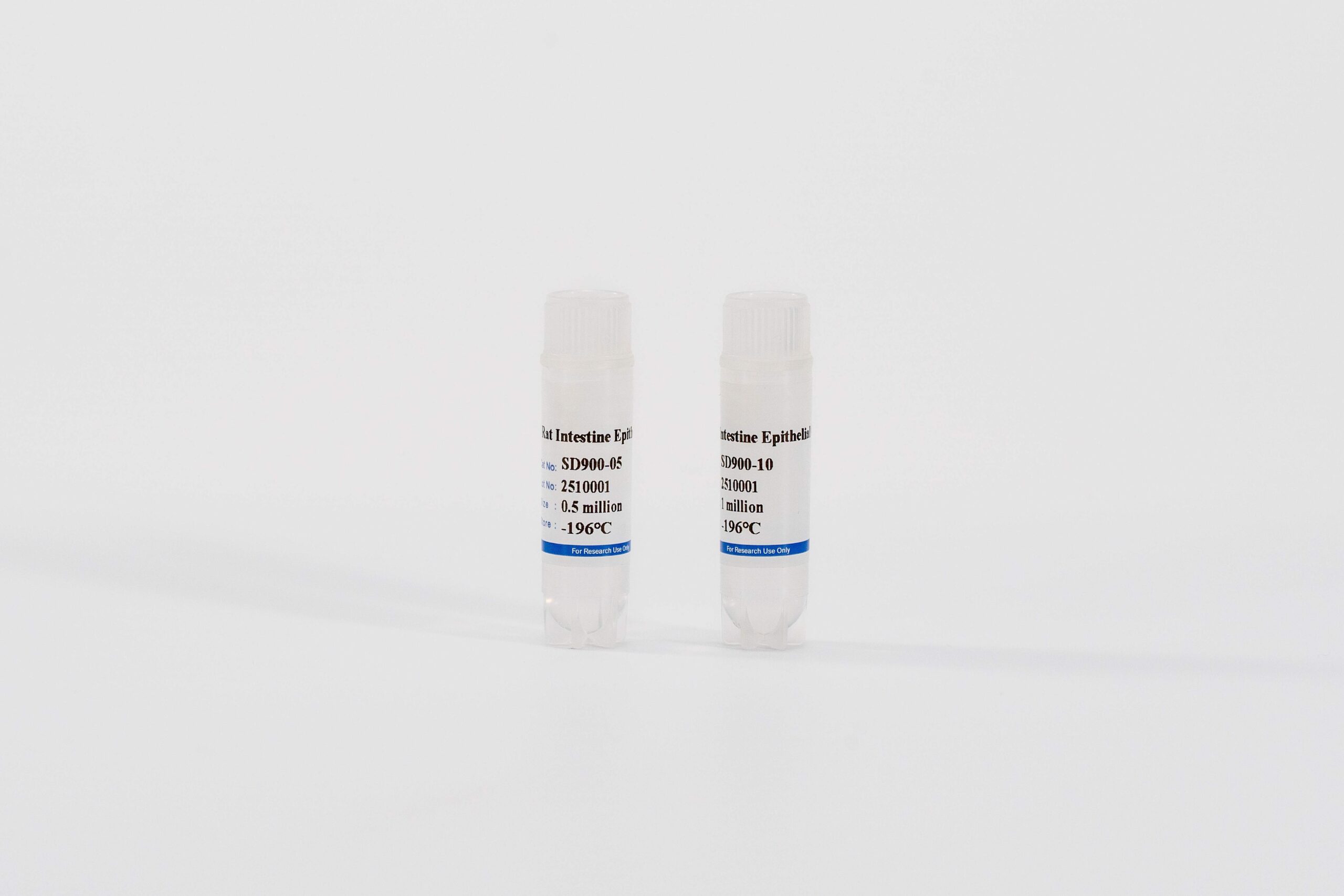
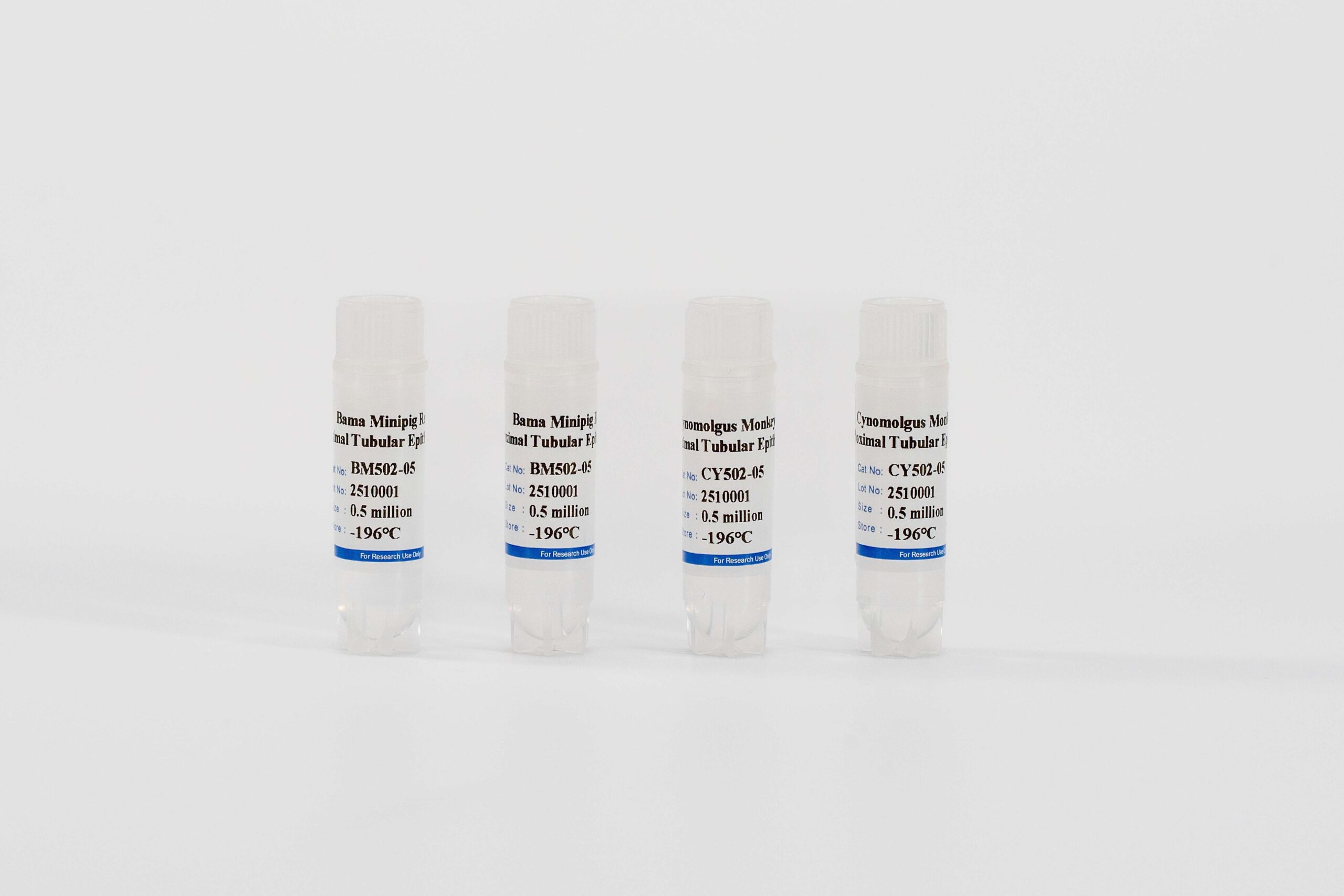
Use PBMCs to investigate selected inflammatory or immunotoxic responses, including cytokine changes and subset viability. Animal renal and intestinal epithelial cells can add species-specific injury models. Confirm cell identity, baseline function and assay controls before comparing responses. Human risk interpretation requires consideration of model species, exposure and mechanisms beyond the cells represented.

Related Products

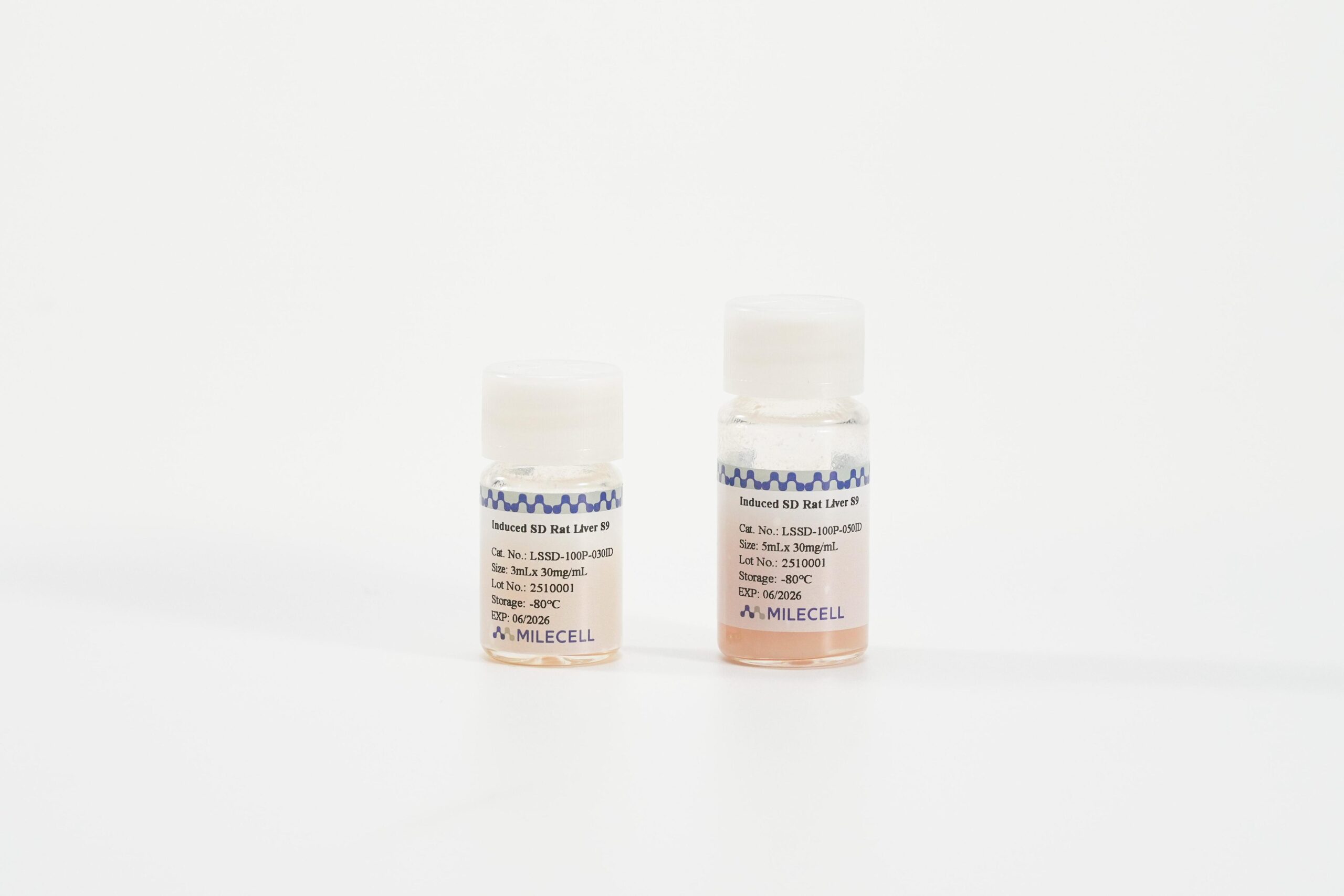
Induced SD rat liver S9 provides a metabolic activation component for suitable genotoxicity workflows. Establish the S9 mix and cofactors according to the selected assay method, and include controls that verify activation performance. The S9 product supplies the enzyme component, while tester systems, reagents and the final assay design are selected separately.

Related Products

Select Materials That Match Your Assay

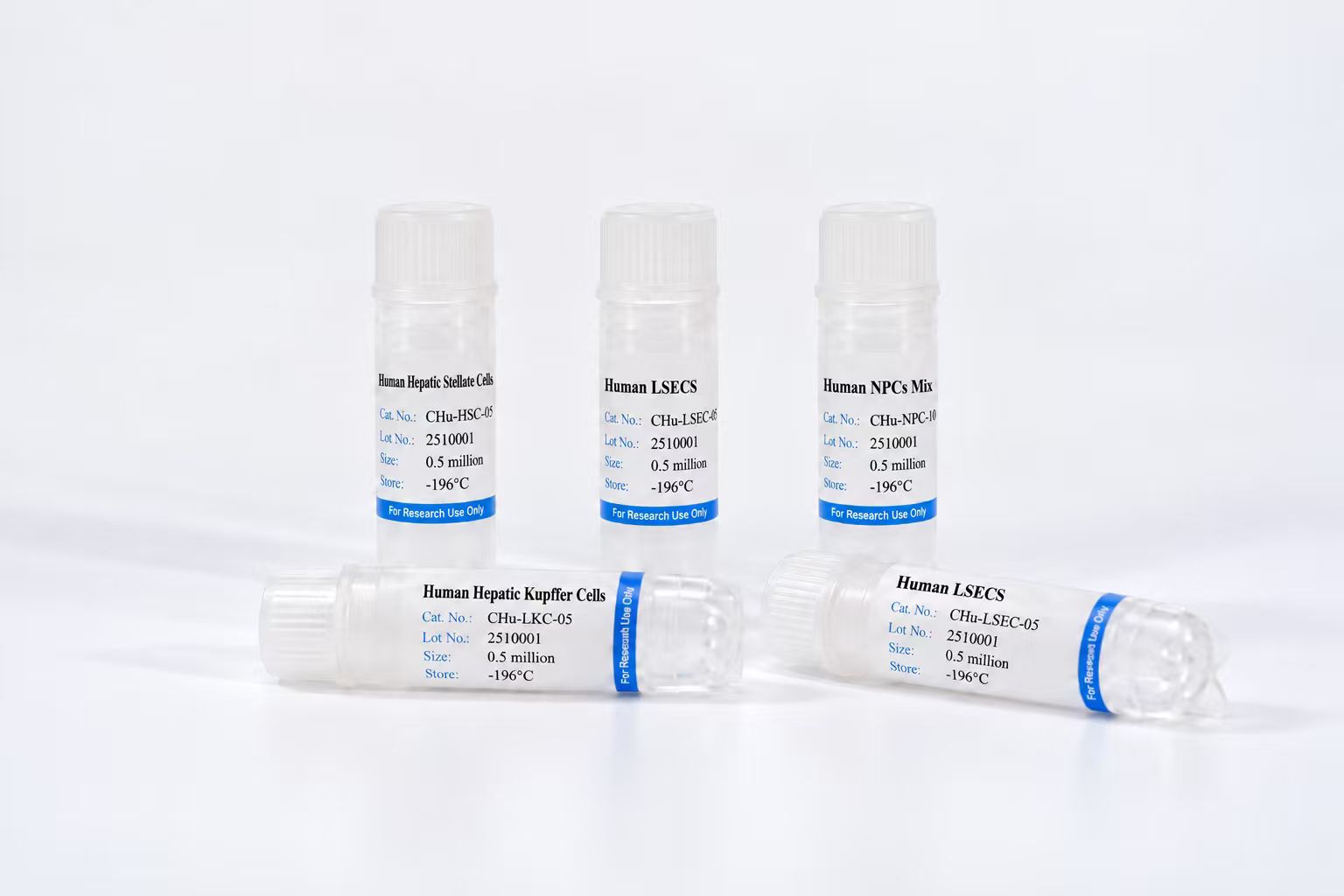
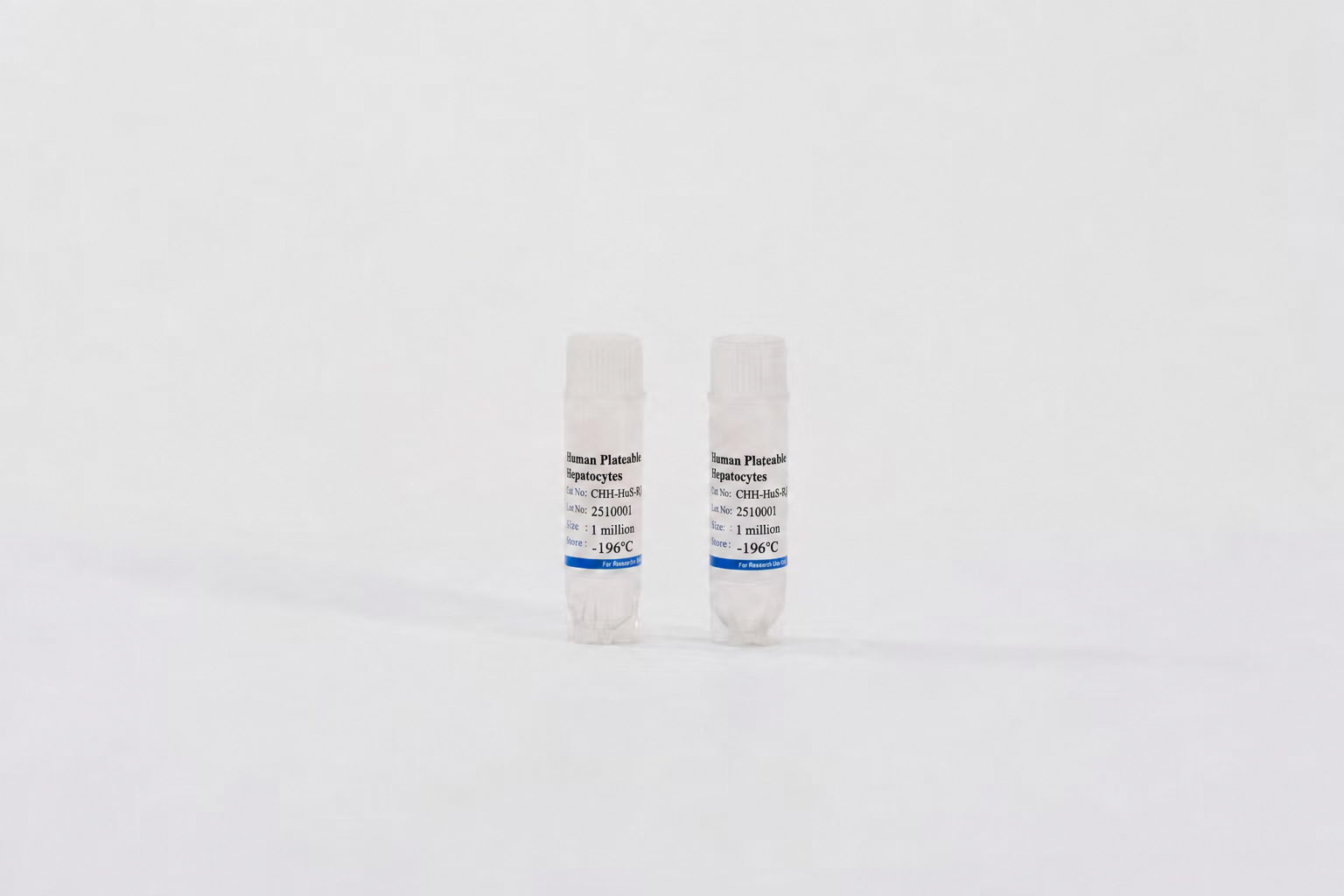
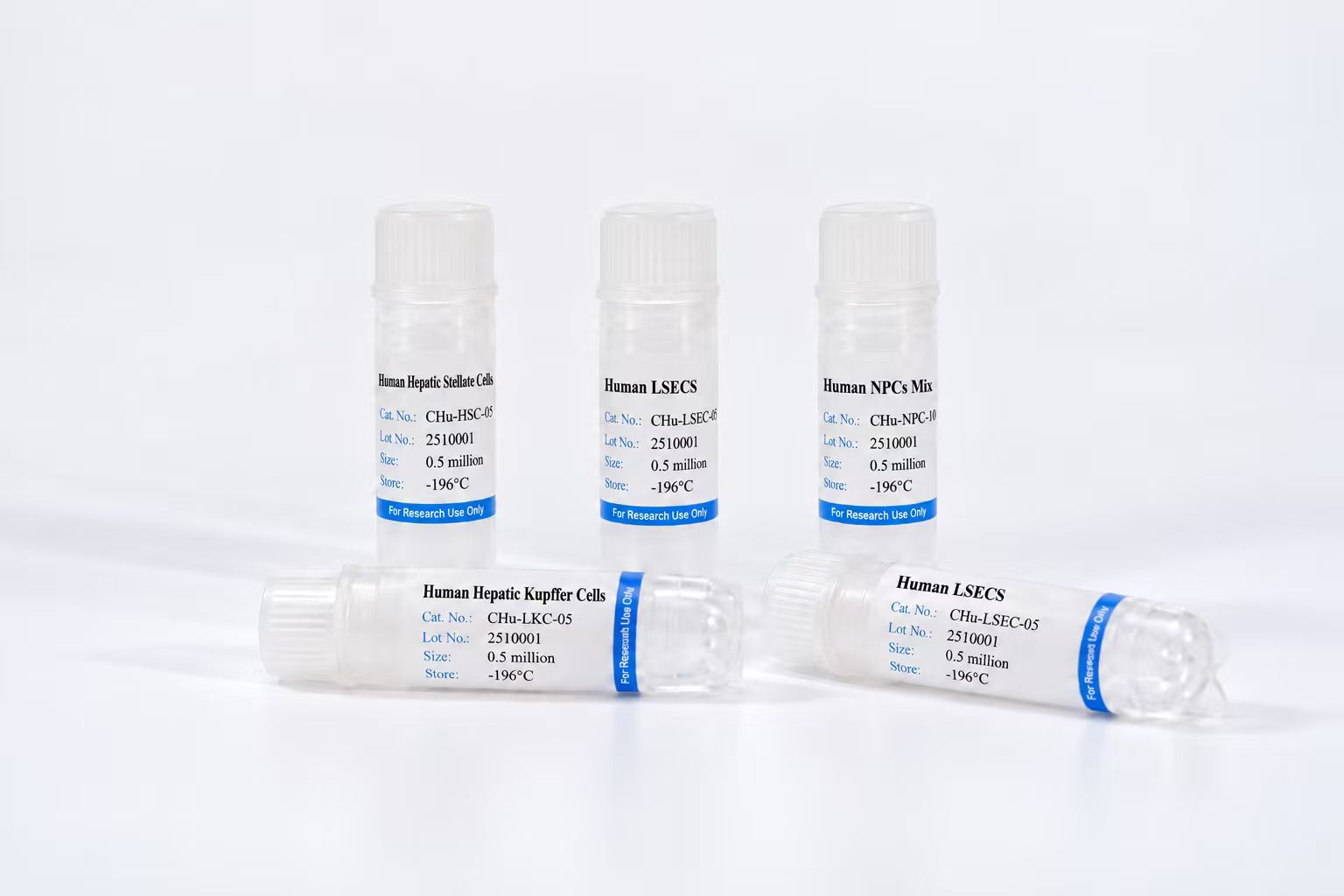
Choose the cell source, species and preparation according to the function you need to measure. Explore MileCell Human Plateable Hepatocytes, Human Kupffer Cells, Human Non-Parenchymal Cells Mix and request the product specifications relevant to your workflow. Confirm availability and assay requirements with the MileCell team before planning your study.

Product Documentation

Review available product specifications, user guides and safety data on the linked product pages. Contact the MileCell team for documents relevant to your selected materials.

Application Note

FAQs

Can viability measurements alone describe toxicity?

They are one endpoint. Add mechanism-relevant measurements, suitable controls and exposure information to characterize the observed cellular response.

No. It is a metabolic activation component. A complete test also requires the appropriate tester strains, reagents, controls and validated method.

Discuss Your Toxicology Workflow

Tell us your cell source, species, assay and required quantity. Our team can help you review available materials and product information.