Immuno-Oncology
Human immune cell components for tumor–immune interaction studies.
Immuno-oncology studies connect immune cell activation with tumor recognition and killing. Experiments need appropriate effector populations, antigen-defined targets and readouts that separate antitumor activity from unintended inflammation. MileCell supplies human primary immune cells and separation reagents for building the immune component of co-culture models used in cancer immunotherapy research.
Research Solutions for Immuno-Oncology
T Cell-Mediated Tumor Killing
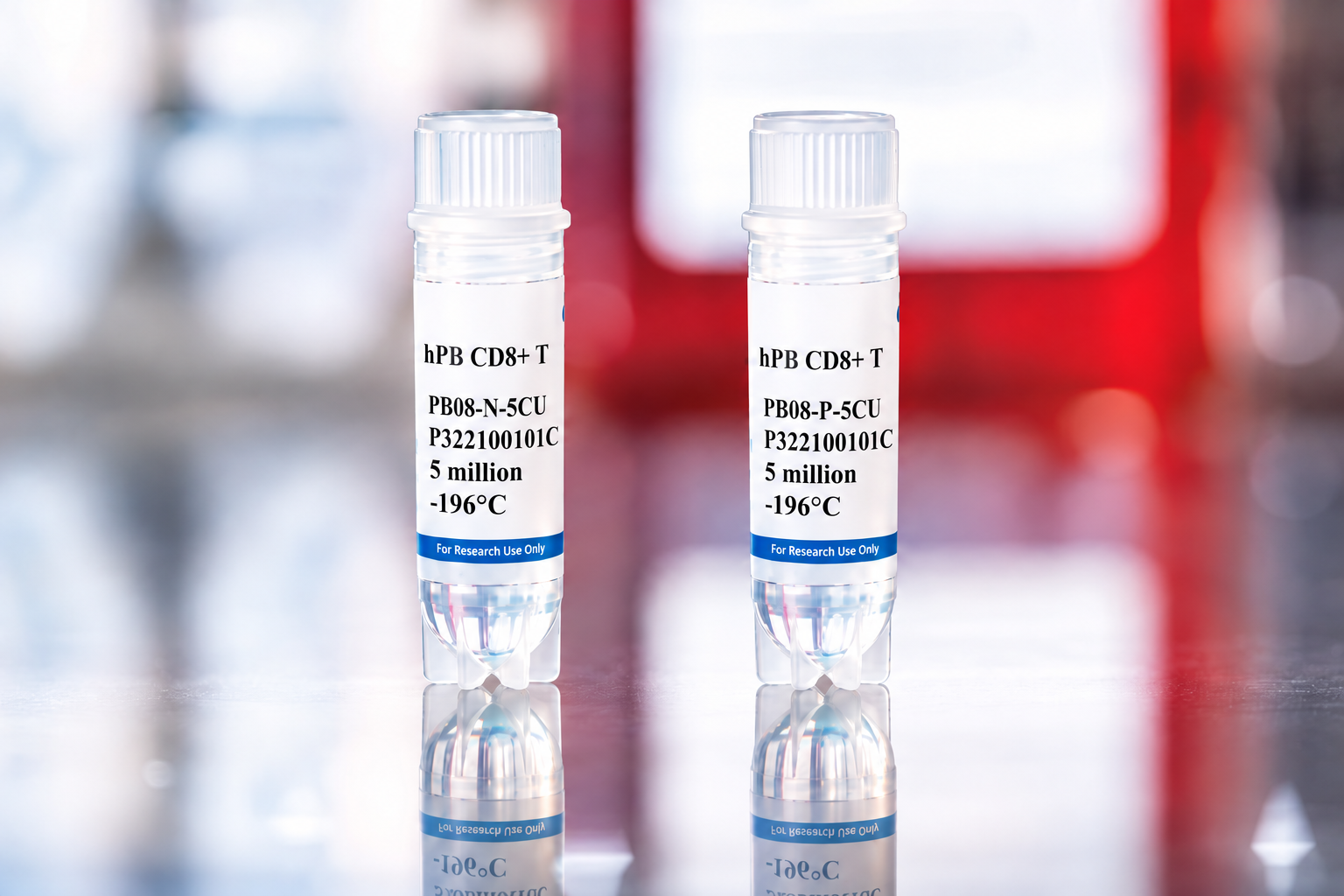
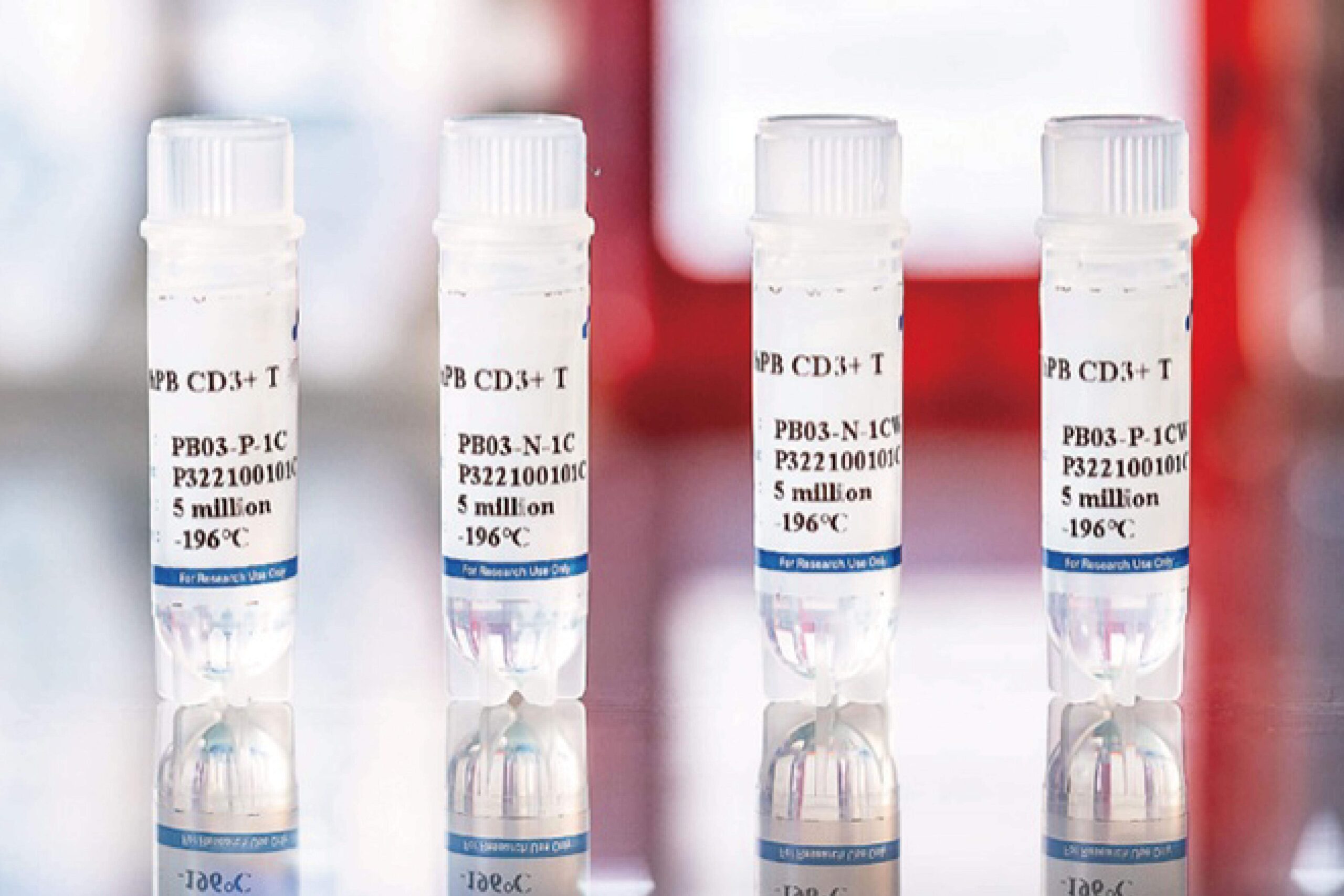
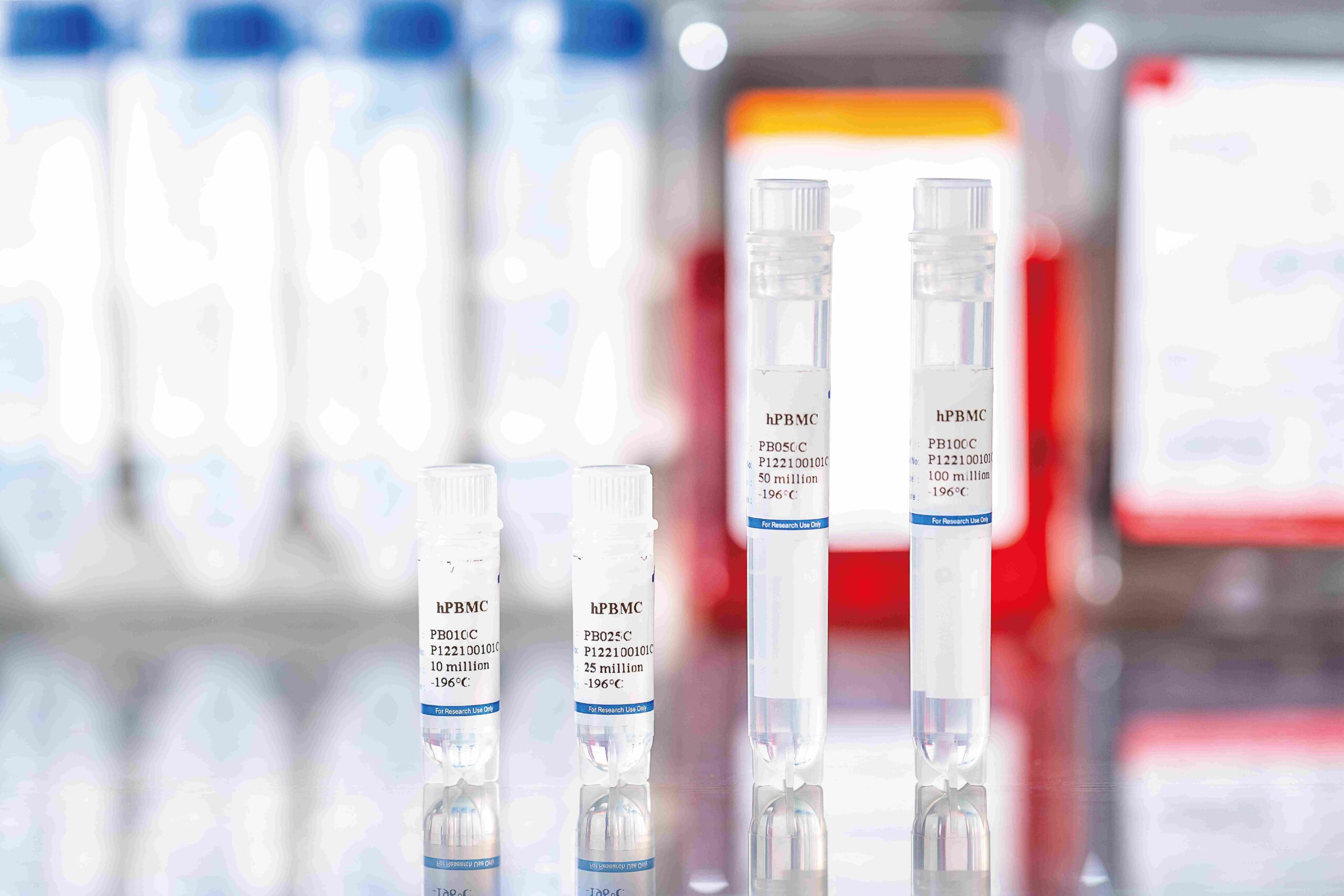
Combine primary human T cells with suitable tumor targets to investigate cytotoxic responses, checkpoint modulation or T cell-engaging therapies. Measure target-cell killing together with activation, proliferation and cytokines. MileCell CD3+ and CD8+ cells support defined effector studies, while PBMCs retain additional immune populations that may influence the assay.
NK Cell and Myeloid Effector Models
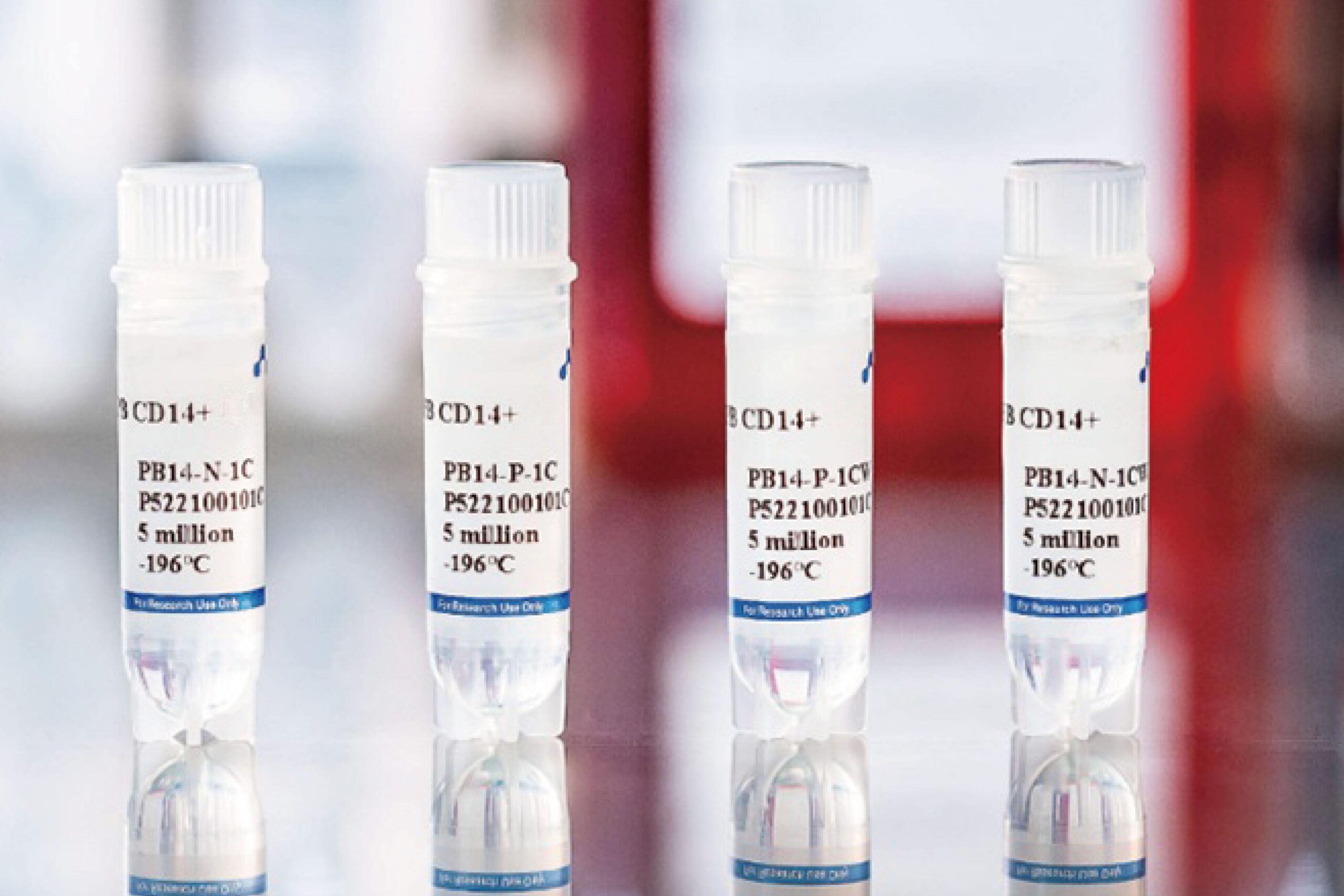
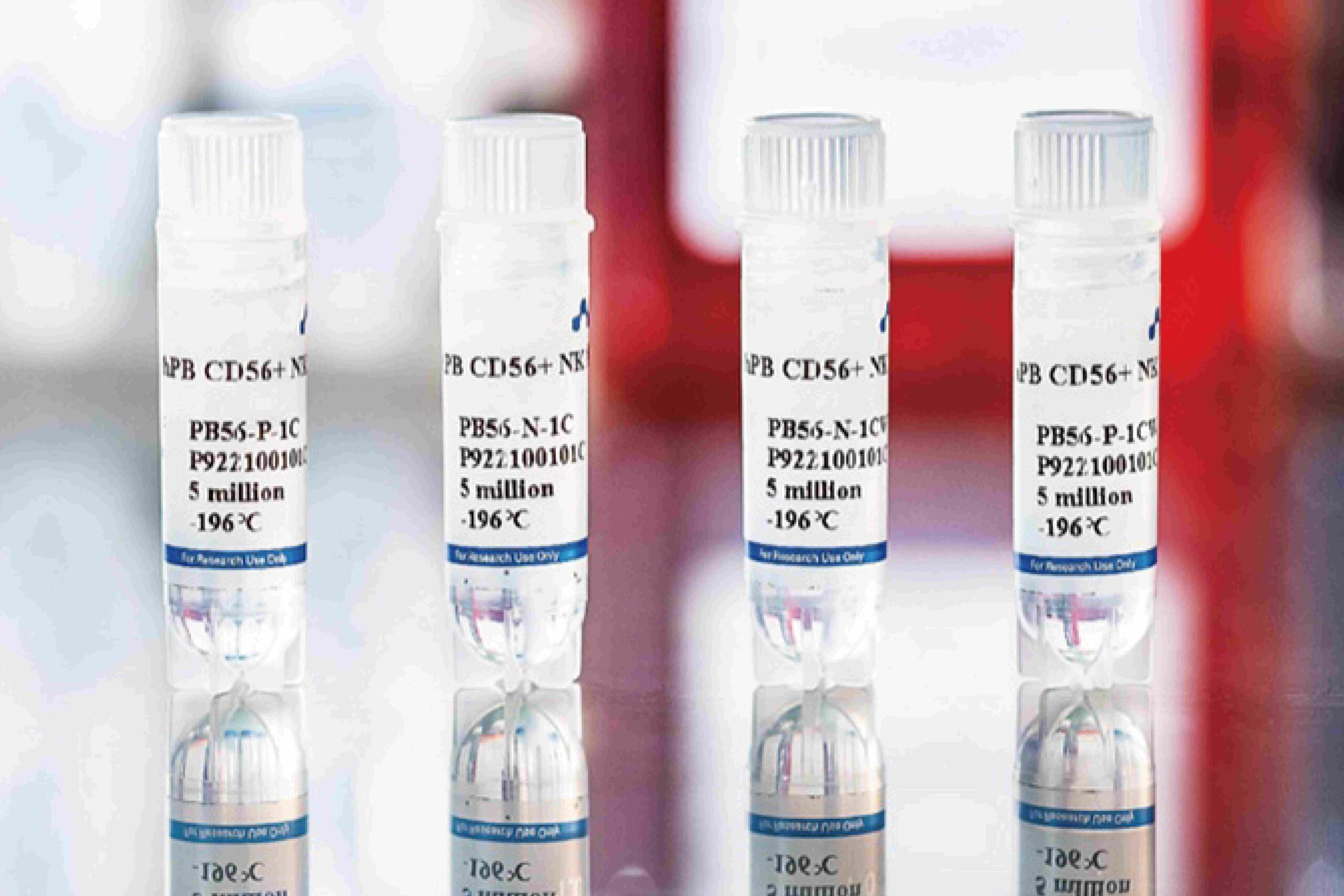
NK cells provide an effector population for cytotoxicity and antibody-dependent killing experiments. CD14+ monocytes can be differentiated under validated conditions to study macrophage-mediated phagocytosis or myeloid regulation. Pair functional endpoints with cell identity and viability checks. MileCell supplies starting populations, while tumor targets and differentiation reagents are selected separately.
Immune Context in Complex Tumor Models
Add PBMCs or defined subsets to a qualified tumor spheroid or organoid model to explore immune infiltration and response under more complex conditions. Track tumor and immune viability separately, and account for donor mismatch or alloreactivity. Establish cell compatibility, medium conditions and assay performance before using the model for compound comparisons.
Select Materials That Match Your Assay
Choose the cell source, species and preparation according to the function you need to measure. Explore MileCell Human Peripheral Blood CD3+ T Cells, Human Peripheral Blood CD8+ T Cells, Human PBMCs and request the product specifications relevant to your workflow. Confirm availability and assay requirements with the MileCell team before planning your study.
Product Documentation
Review available product specifications, user guides and safety data on the linked product pages. Contact the MileCell team for documents relevant to your selected materials.
Explore negative selection approaches for immune cell isolation.
Application Note
FAQs
Does MileCell supply ready-made tumor organoids?
Ready-made tumor organoids were not verified in the reviewed catalog. MileCell immune cells can be incorporated into tumor models obtained or developed separately.
How can I distinguish tumor-specific killing from alloreactivity?
Use appropriate antigen controls, donor matching where relevant and baseline co-culture controls. Interpret killing together with immune activation and target identity.