
2026.02.09
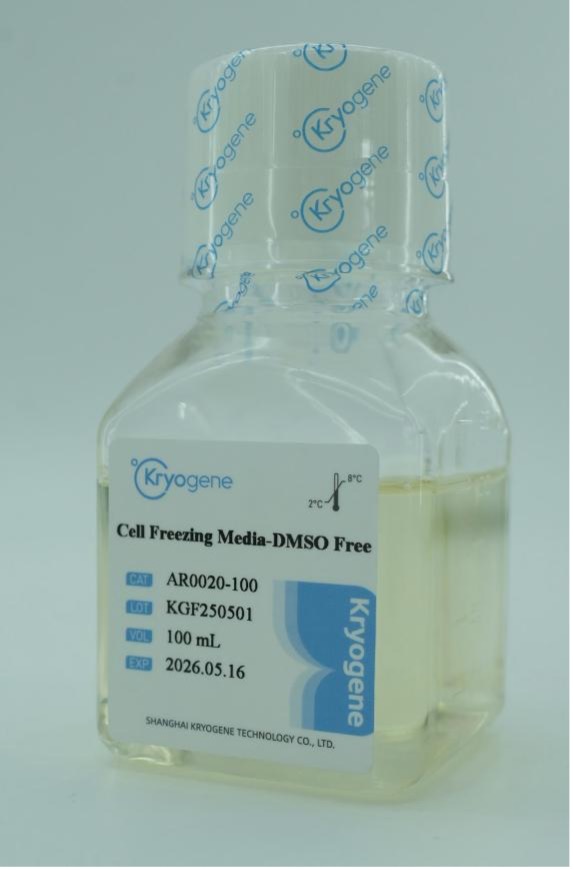
Understanding the superior safety profile of DMSO-free cryopreservation media is the first step. The next is mastering the protocol to maximize post-thaw cell viability and functionality. The Kryogene® Cell Freezing Media – DMSO Free is designed for a streamlined workflow, and following these optimized steps ensures you reap the full benefits of its advanced formulation.
The process begins with preparing a single-cell suspension and performing an accurate cell count. After centrifugation, it’s crucial to remove the supernatant thoroughly to avoid diluting the concentrated, pre-formulated Kryogene® media. A key step for success: always pre-warm the media to 37°C before gently resuspending the cell pellet. Adding the media dropwise helps cells acclimate to the higher osmotic pressure, minimizing stress and damage.
Aliquot the suspension into cryogenic vials and perform a brief, pre-freeze incubation at 2-8°C for about 10 minutes. For freezing, a controlled-rate freezer programmed at -1°C/min is recommended for most mammalian cells. If using an isopropanol freezing container, ensure it is pre-cooled and limit the time at -80°C to approximately 4 hours. For long-term storage, transfer vials to the vapor or liquid phase of a nitrogen tank, as storage at -80°C is suitable only for short durations.
The thawing process is equally critical. Rapidly thaw cells in a 37°C water bath, removing the vial while a small ice crystal remains to prevent overheating. Immediately after thawing, dilute the cell mixture slowly with warm culture medium at a minimum 1:10 ratio. This gradual dilution mitigates osmotic shock, protecting cells from swelling and lysis.
By integrating Kryogene® DMSO-Free Media into this careful protocol, researchers achieve a seamless, reliable cryopreservation cycle. This combination delivers not only enhanced cell safety but also consistently high recovery rates, ensuring your precious cells are robust and ready for their next application, from basic research to advanced cell therapy development.

