

2025.12.07
Non-Human Primates (NHPs), such as cynomolgus, macaques,stand at the forefront of biomedical research due to their unparalleled physiological, genetic, developmental, and immunological resemblance to humans. These similarities make NHPs indispensable for bridging translational gaps between rodent models and human clinical applications. Among the key tools in this research are Peripheral Blood Mononuclear Cells (PBMCs)—a vital component of the immune system comprising lymphocytes (T cells, B cells, NK cells) and monocytes, isolated from blood via density gradient centrifugation.
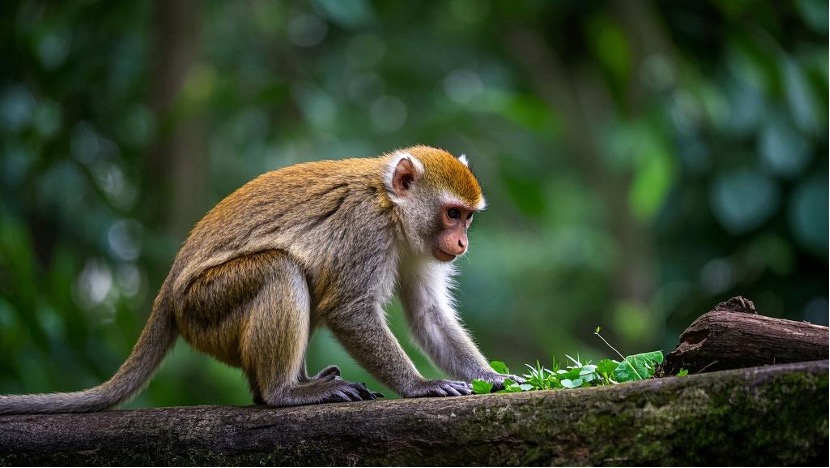
NHP PBMCs serve as critical platforms for studying immune responses that closely mirror human biology. Their genetic and immunological fidelity allows researchers to:
1. Model Human Diseases: Macaques, the most widely used NHP model, share striking similarities with humans in major histocompatibility complex (MHC) regions and immune cell behavior. This enables accurate investigation of infectious diseases (e.g., HIV, norovirus), neurological disorders, and autoimmune conditions.
2. Accelerate Vaccine and Therapeutic Development: NHP PBMCs are pivotal in evaluating vaccine efficacy, such as in studies analyzing lymph node and bone marrow responses post-vaccination. They also facilitate preclinical testing of cell-based therapies (e.g., iPSC-derived products) and gene therapies, ensuring safety and efficacy before human trials.
3. Validate Drug Targets and Biomarkers: The cross-reactivity of immune markers between humans and NHPs allows robust screening of therapeutic antibodies and immune modulators. Recent efforts have generated comprehensive catalogs of antibody cross-reactivity across NHP species, enhancing translational predictability.
While NHP research entails ethical considerations, PBMC-based in vitro studies minimize animal use while maximizing data relevance. Advances in NHP-induced pluripotent stem cells (iPSCs) further promise to reduce reliance on live animals for critical studies.
Initiatives like the Non-Human Primate Exposome (NHPE) project highlight the growing commitment to leveraging NHP models for complex human health challenges, such as environmental impacts on immunity. As NHP PBMCs continue to illuminate primate-specific disease mechanisms—from Alzheimer’s pathology to spinal cord injury therapies—their role in delivering clinically actionable insights remains irreplaceable.
In the quest to conquer human disease, NHP PBMCs are not just a model system; they are a scientific imperative.

